Kalaw to Inle lake
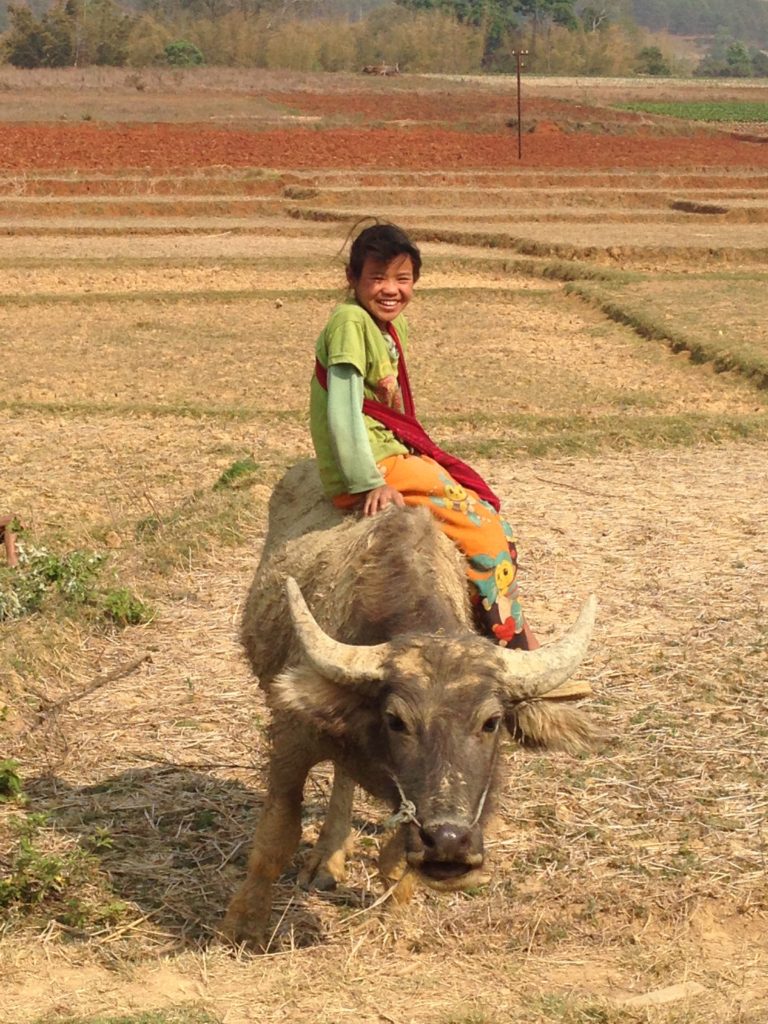 The night bus from Hsipaw arrived in Kalaw at the un-Godly hour of 4:30am. It was dark and the streets were deserted but amazingly, tucked amongst all the little shut up shops we found a small cafe peppered with local folk kick starting their day. Sitting on tiny chairs, set out on raised pavements, we drank our coffee with front row seats of the sunrise over town – despite the hour we felt wide awake.
Getting off the bus in an unfamiliar place, in the shadowy cloak of darkness to watch the day unfurl is one of our favourite things – it’s like our adventures are starting afresh every time we do it.
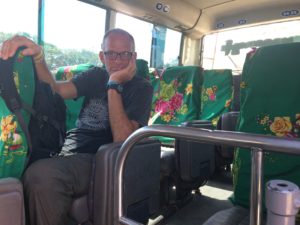
Our guesthouse Thitaw Two was on the other side of town but having been sat on a night bus (unlike neighbouring countries there appear to be no beds on night buses in Myanmar) for the best part of 12 hours it was an easy decision to walk there rather than taking a taxi and besides it was a lovely time of day to wander through the town. With dawn breaking the streets were coming to life, the cafes were opening and the vibrant local market was filling with people – it was shaping up to be a lovely day.
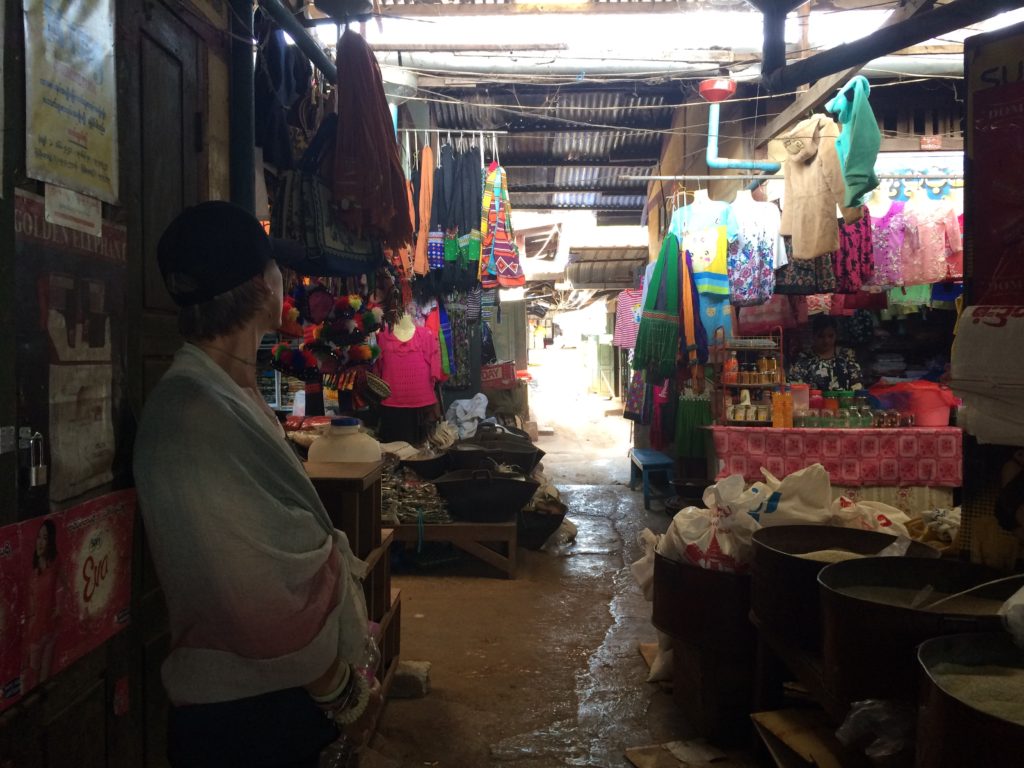
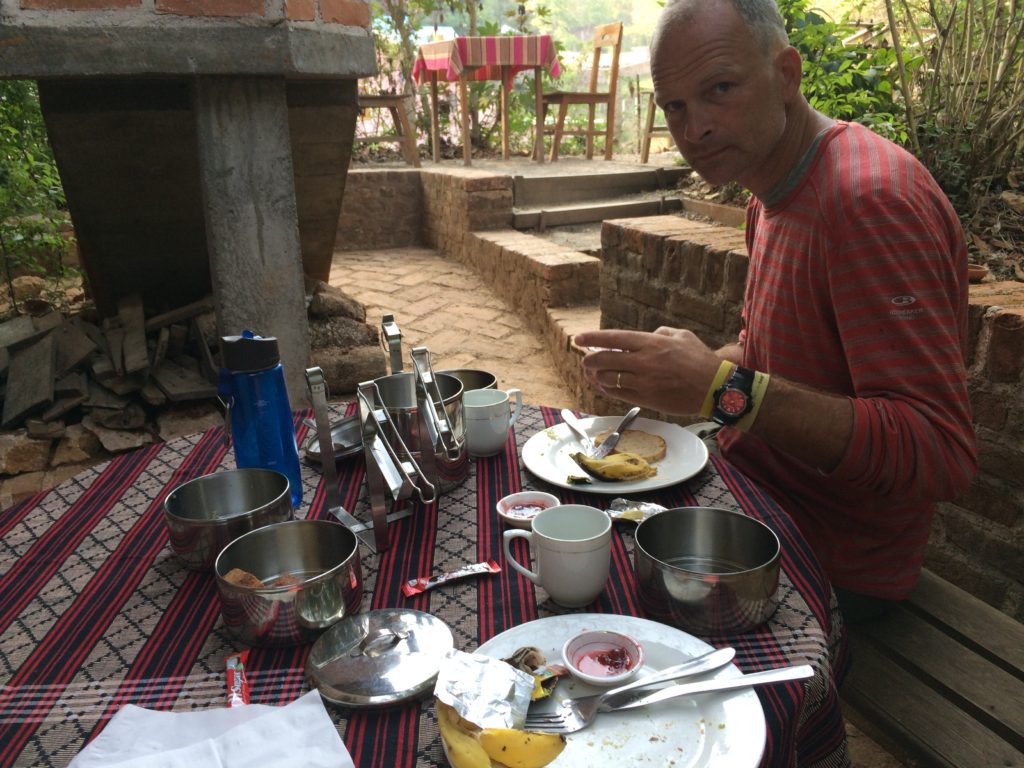
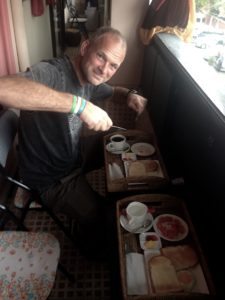
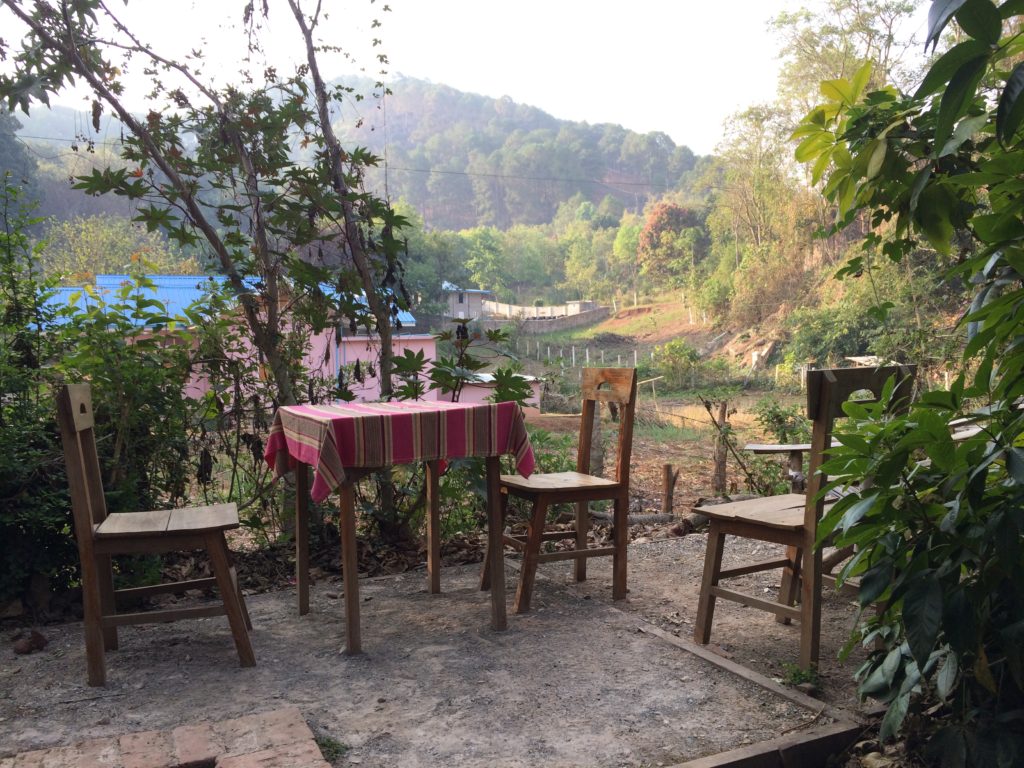
Thitaw Two was a great choice and became yet another favourite. Nestled in its own little grounds and bordered by forested mountains it was very different from anywhere else we’d stayed. We were allowed to make ourselves at home even though we’d arrived many hours before checking-in time and to our joy were treated to a hearty breakfast, including avocados grown in the gardens. Once fed and watered we set about making plans for our trek to Inle Lake, the main reason for our visit to Kalaw. Having talked to fellow guests we made a couple of calls and just like that the next few days were arranged. A 3 day trek through remote villages staying with local families – perfect.
 We like sleeper buses for a couple of reasons. They save the expense of a night’s accommodation and arriving early in the morning, hopefully refreshed after some sleep, means there’s much of the day left to explore new surroundings. Luckily we’d both got some shut eye during the night and so with plenty of time on our hands we headed out on foot to a large cave a few miles away. The day was hot, but fortunately our path threaded through forests where shade offered much welcomed relief from the fierce sun. The Myin Ma Hti cave, although not out of this world, was worth the trek and we spent a good hour or so wandering around it.
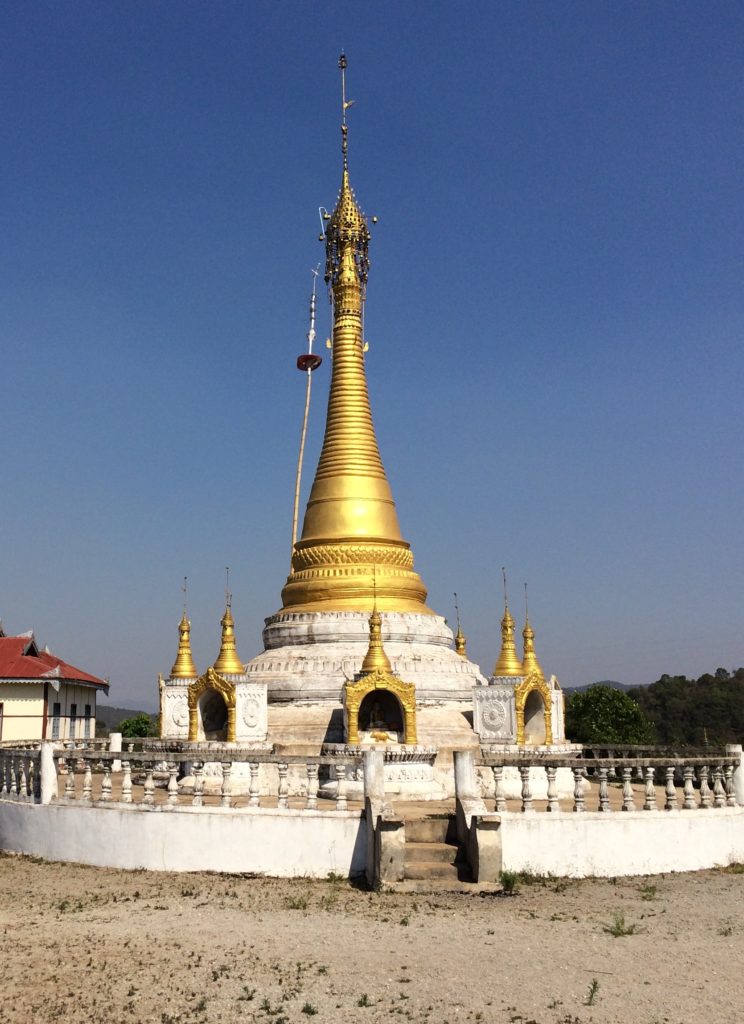
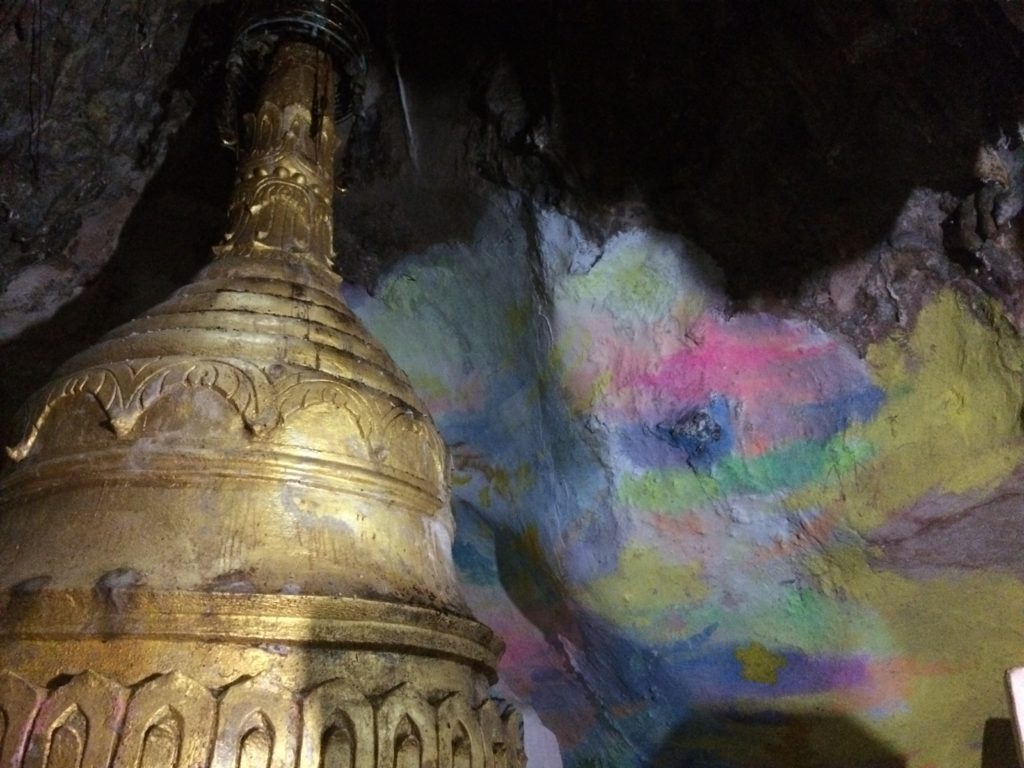
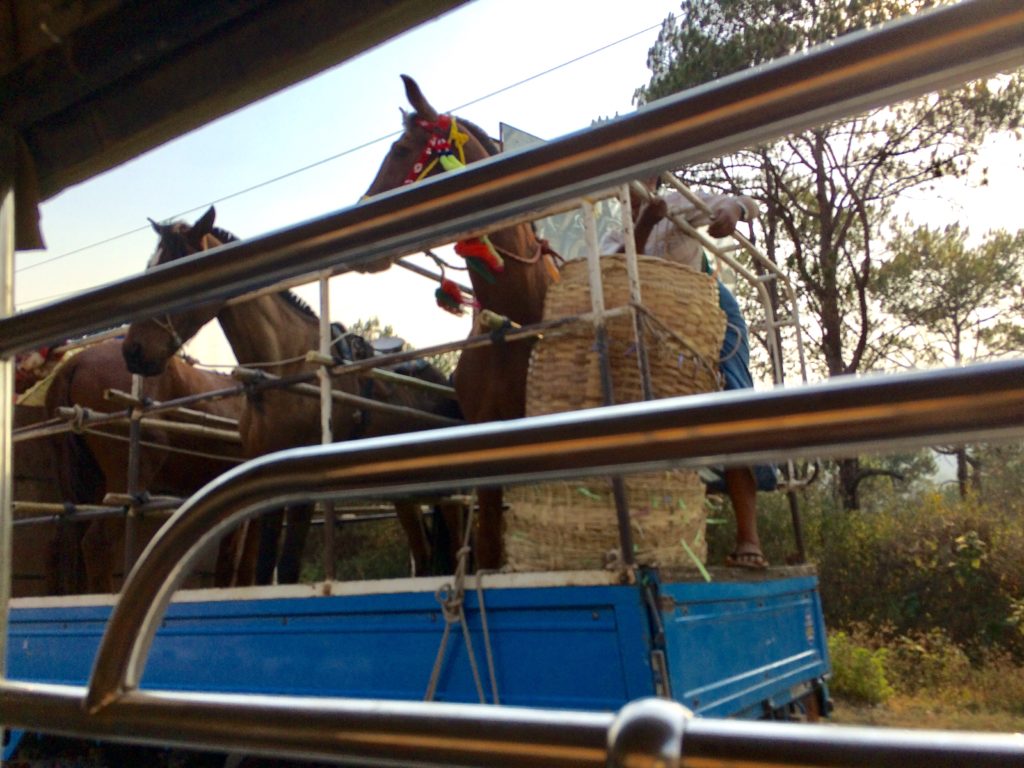
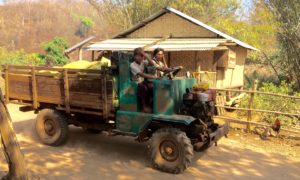
 Unusually for us we opted not to walk the return trip and so, with the help of an affable cafe owner, we hitched a lift on the back of a flat bed truck. It was a fun, if somewhat unconventional way to see the surrounding countryside. On the way we passed trucks transporting somewhat larger cargo…
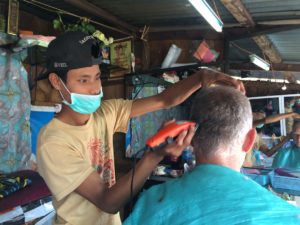
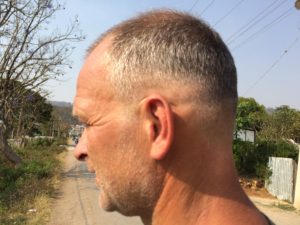
Having been dropped off in town Steve popped into a barbers for a quick trim… 3/4 of an hour later he came out with this – Oops, better put some sun cream on those bare bits!
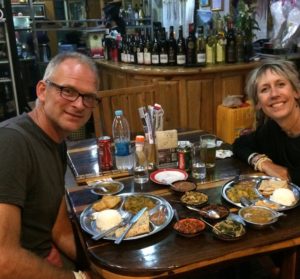
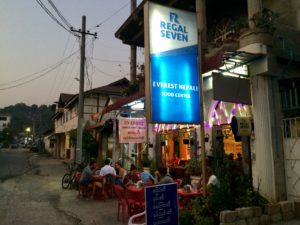
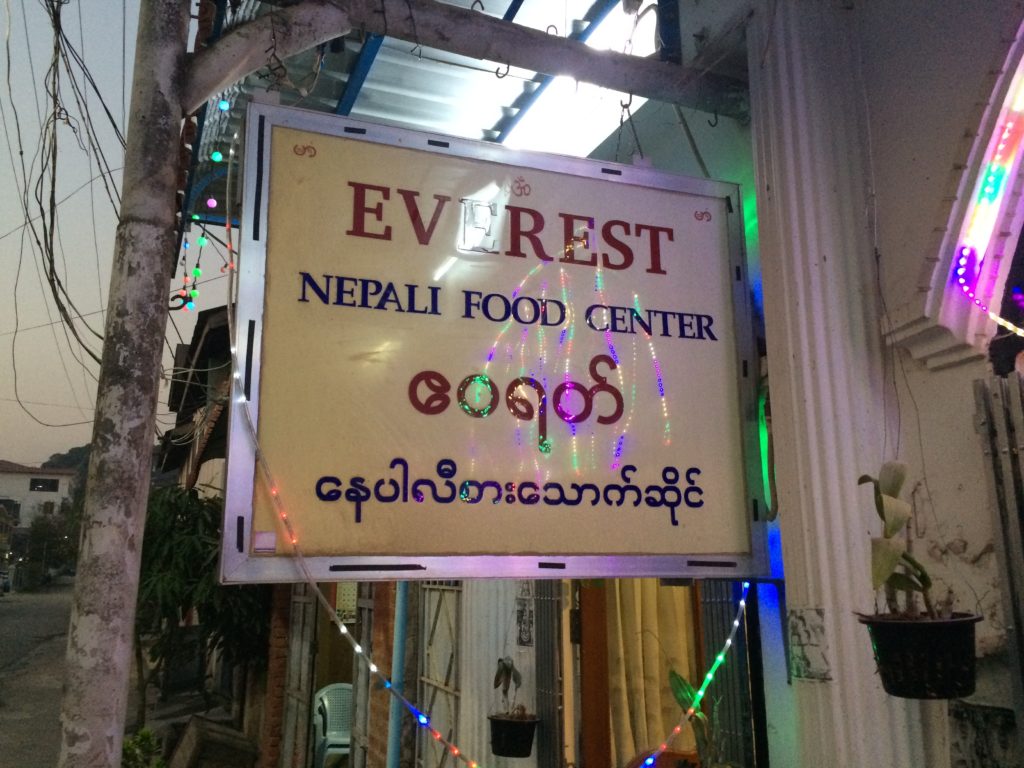
Back at the guesthouse it was a quick freshen up (and straighten up of Steve’s new do) before deciding where to eat. Now this can sometimes present a bit of a dilemma, often the biggest of our day. “Where d’you want to eat?” – “I don’t mind, where d’you want to eat?” – “Don’t ask me!” but tonight the decision was easy and unanimous. During our stroll through the town earlier we’d noticed a Nepali restaurant and so tonight it would be Dahl Bhat for old times sake. It was a great choice and memories of our 5 wonderful months in Nepal flooded back as we ate the deliciously familiar food. We left full and happy.
Whilst in Nepal we were told that there was a sizeable Nepali community in Myanmar. These Burmese Gurkhas number between 350-500,000 and are a legacy of British colonial times, primarily descendants of Gurkha troops and railway navvies. As well as in the major cities there are communities in a number of hill station towns where British housed barracks, including Kalaw, where we now were and Pyin Oo Lwin, where we’d just been.
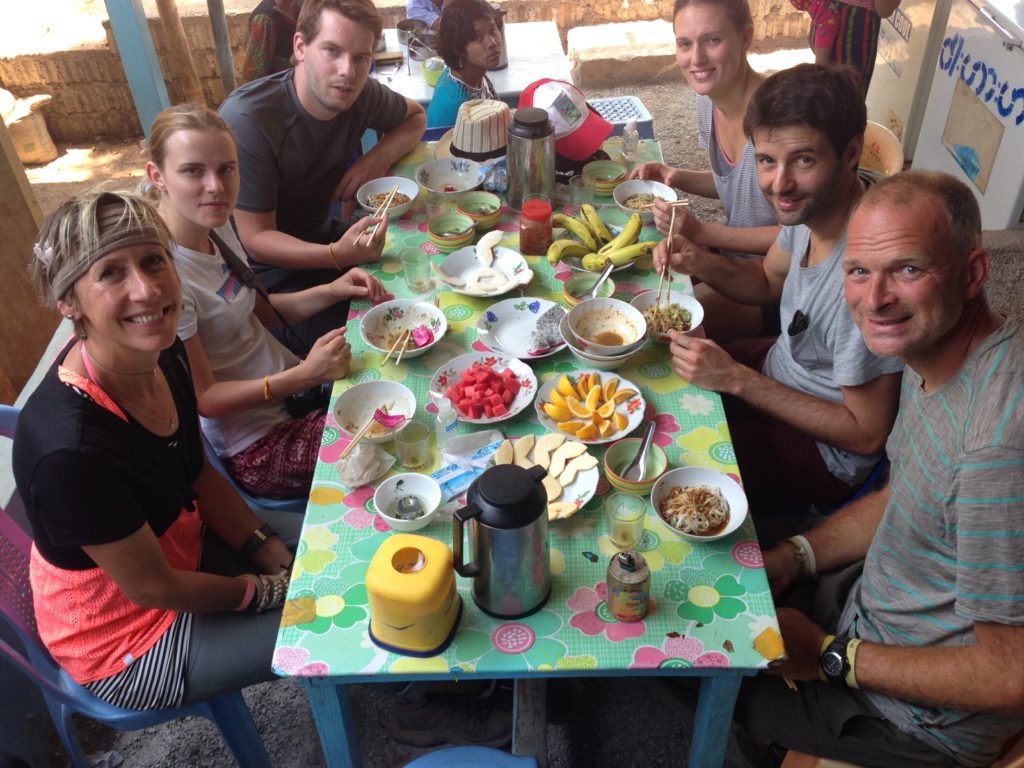 The next day was trek day and we were itching to get started. We’d opted for a small group trip and so were a party of only 6. We instantly warmed to our companions, Franck and Marion, Marek and Kate and we all chatted the miles away. The countryside was beautiful and diverse and our guide Sona (an ethnic Nepali) kept us amused with interesting facts as we went, one of which was the Myanmar love of betel nut, a Burmese habit that takes some getting used to. Many people here chew the nut which has the creepy side effect of staining teeth and gums red. It can’t be swallowed so the large
  amounts of red saliva produced are spat out – everywhere! Apparently it gives you a buzz, is very addictive and people of any age can do it. Sona said that in the past he’d smoked, drank and chewed betel and of the three betel was the hardest to give up. Sadly judging by the amount of youngsters we saw chewing it, it’s not a national addiction about to end anytime soon. Sona added that he likes his bus drivers to have red teeth because he believes they’re more likely to stay awake – we made a point of checking our drivers more carefully from then on! Guides are strongly recommended for this trek and although Steve and I generally shy away from guided walking there are times when it is necessary. On these occasions we relish the extra snippets of local knowledge we glean, try to learn some native language and feel good about giving employment to people from local communities, especially out of high season (as it now was) when work is harder to come by.
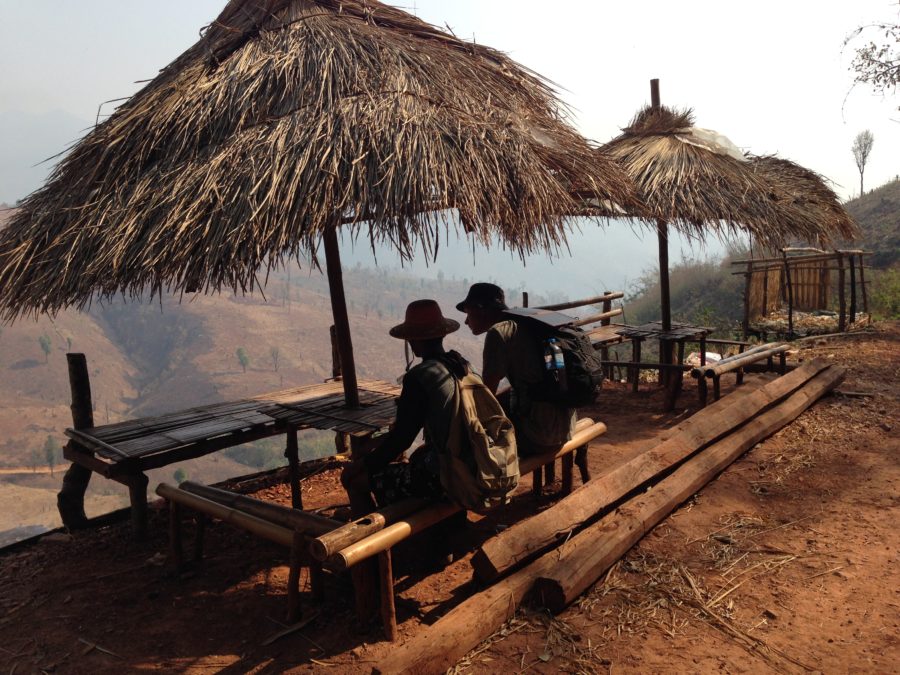
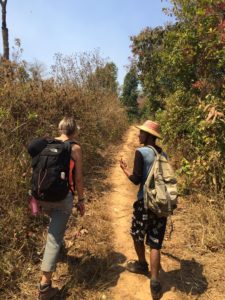
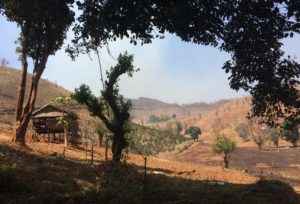
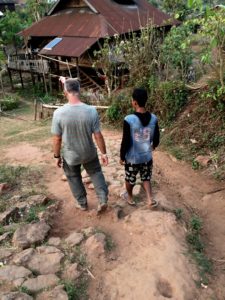
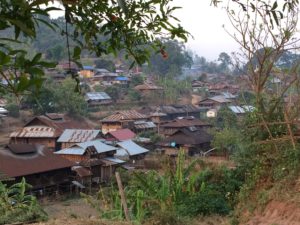
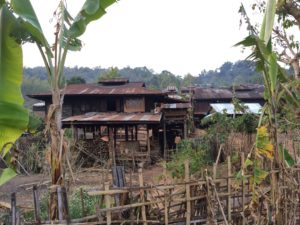
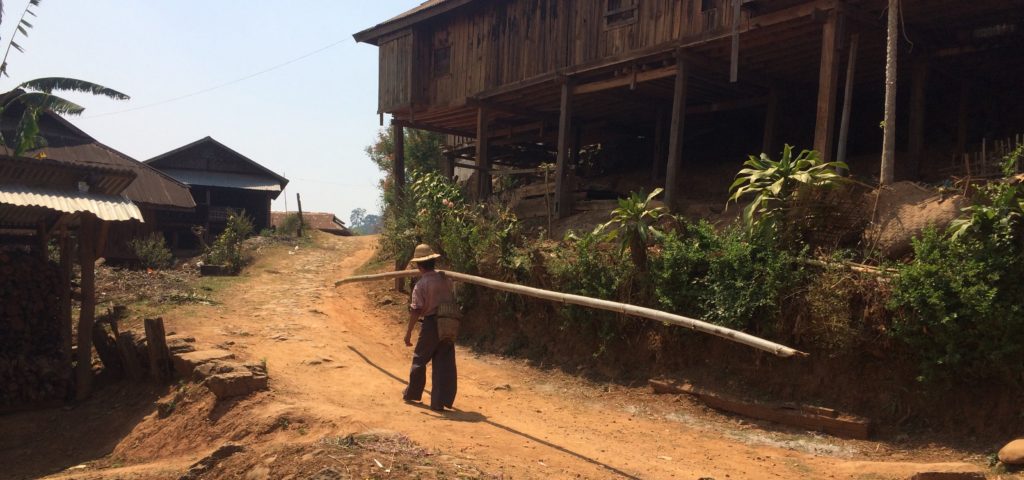
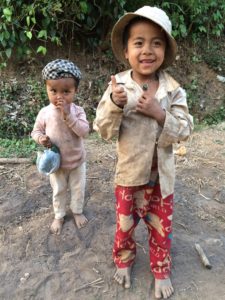
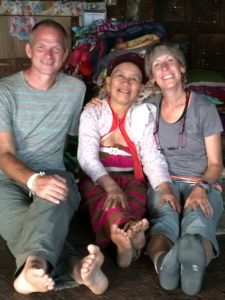
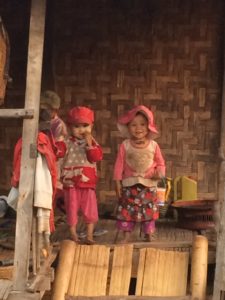
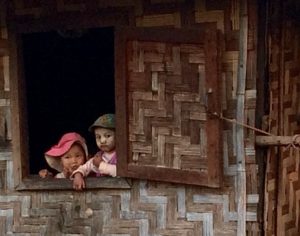
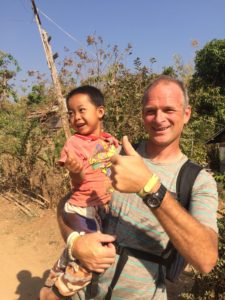
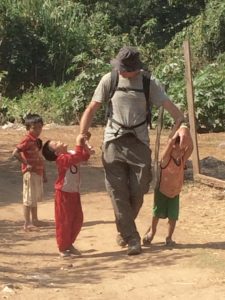
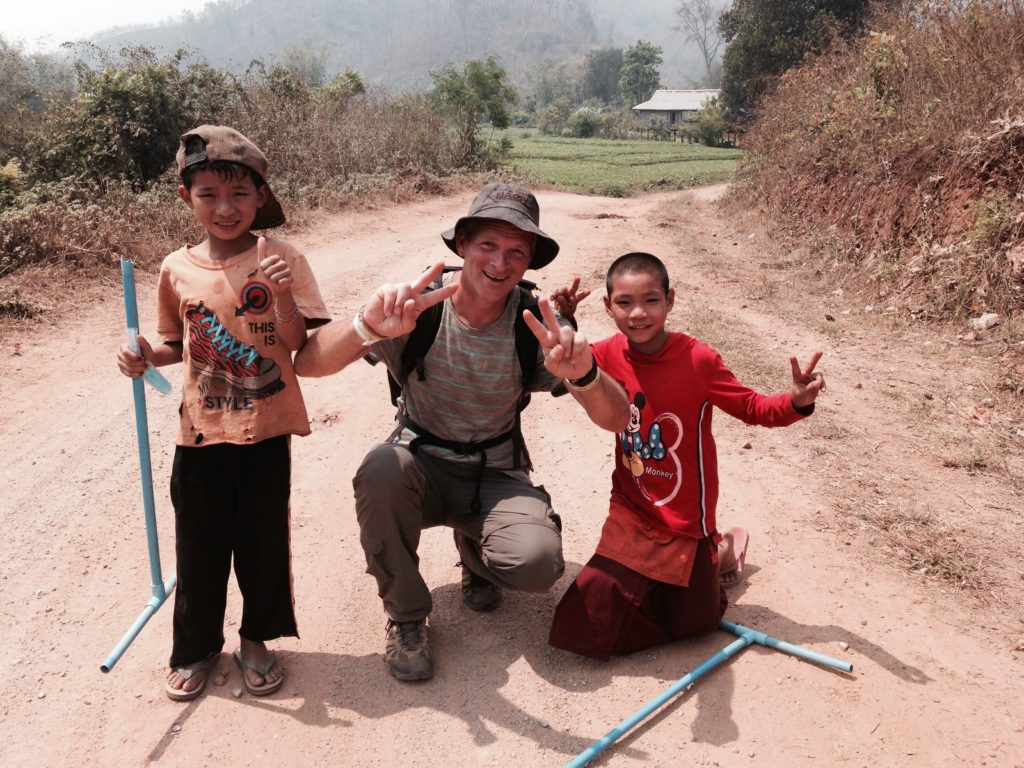
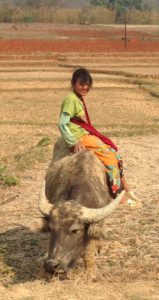 The first day’s trek was long, but not difficult. The heat of the sun was by far the biggest obstacle to overcome. We walked through rural villages and beautiful countryside. We were invited to drink local tea by people who won all our hearts with their warmth and generosity and were high fived enthusiastically by curious youngsters with beaming smiles on their faces.
The route we were hiking, we’d been told by Sona, was a new one and therefore much less busy than the more established trails in the area. Not wanting to be disappointed we took his words with a pinch of salt as it seemed unlikely we’d be heading anywhere into the unknown here. But what he’d said was true, the happy inquisitive folk we were meeting genuinely hadn’t crossed paths with many 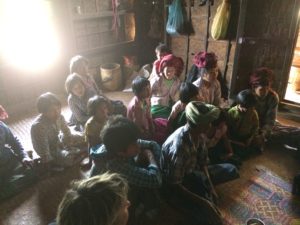 tourists before. We felt incredibly privileged and humbled to be spending time with these people in their remote communities, to be a part of their so far untainted lives. For Steve and I though our joy was with mixed emotion – we were relishing this unique experience, whilst knowing that us and travellers like us who seek ‘off the beaten track’ adventures change the very things we want to experience simply by doing them. For us it raised some interesting questions and moral dilemmas. But here we were anyway, enjoying the hospitality of these amazingly friendly people.
 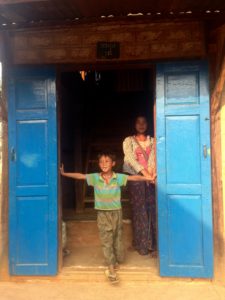 We drank copious amounts of tea, played with the children and chatted (via our guide) with our hosts. Their favourite question was how old are you? Their favourite game was guessing who was with who in the group – both proved very entertaining and they clearly enjoyed our company as much as we enjoyed theirs.
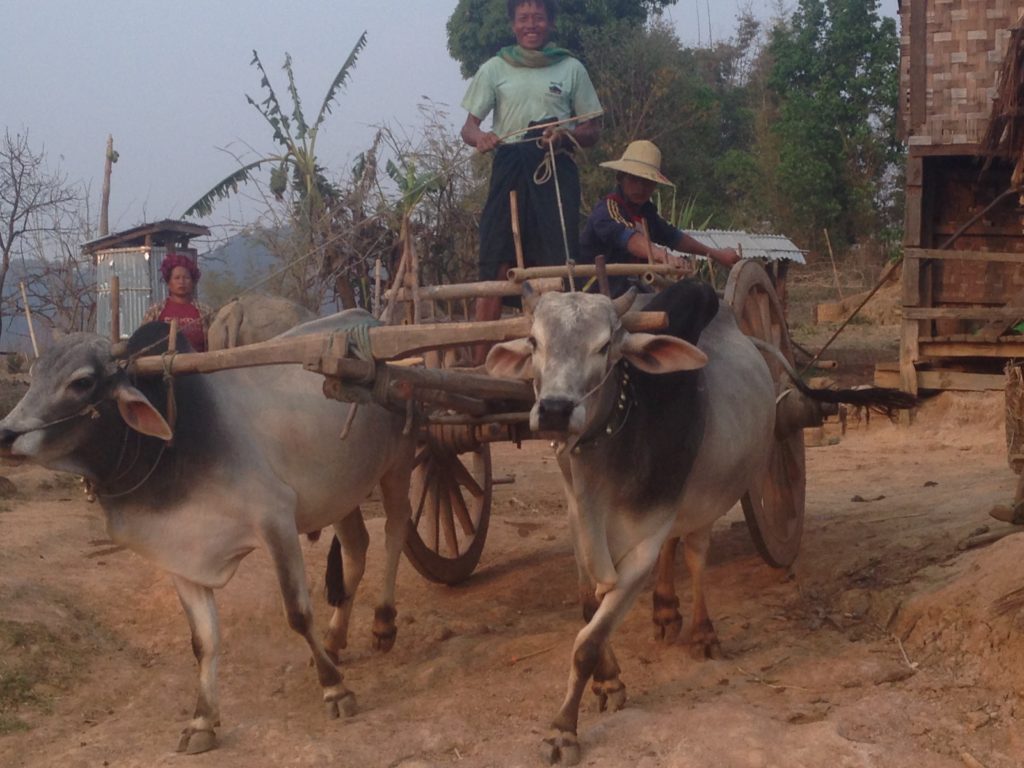
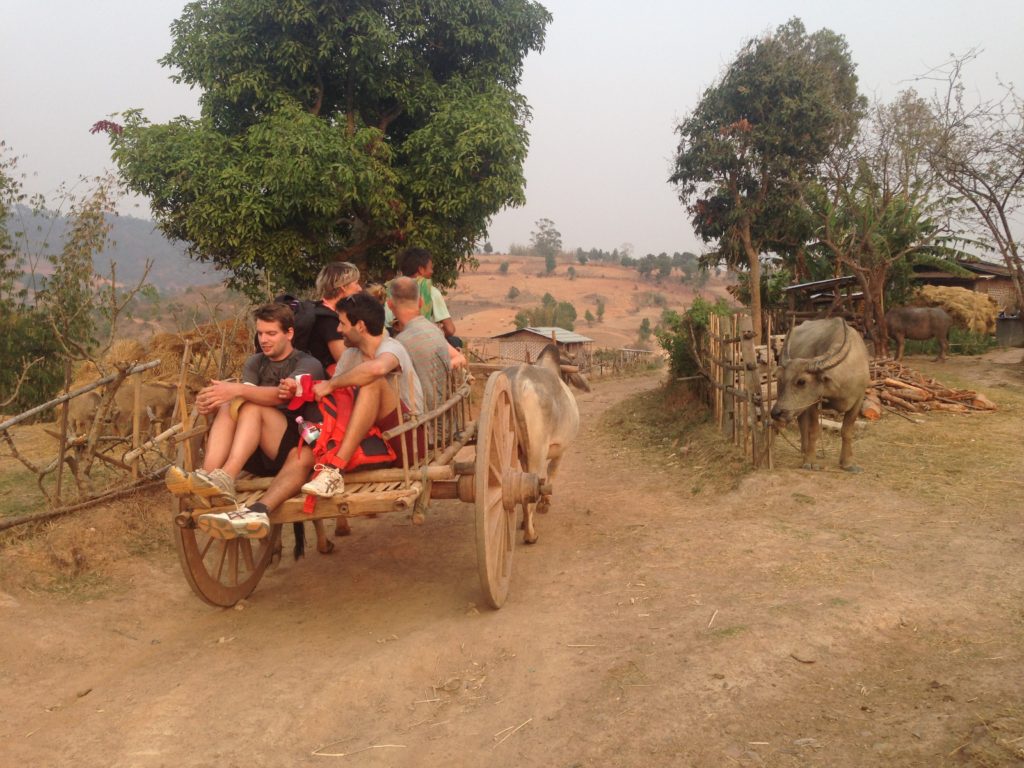
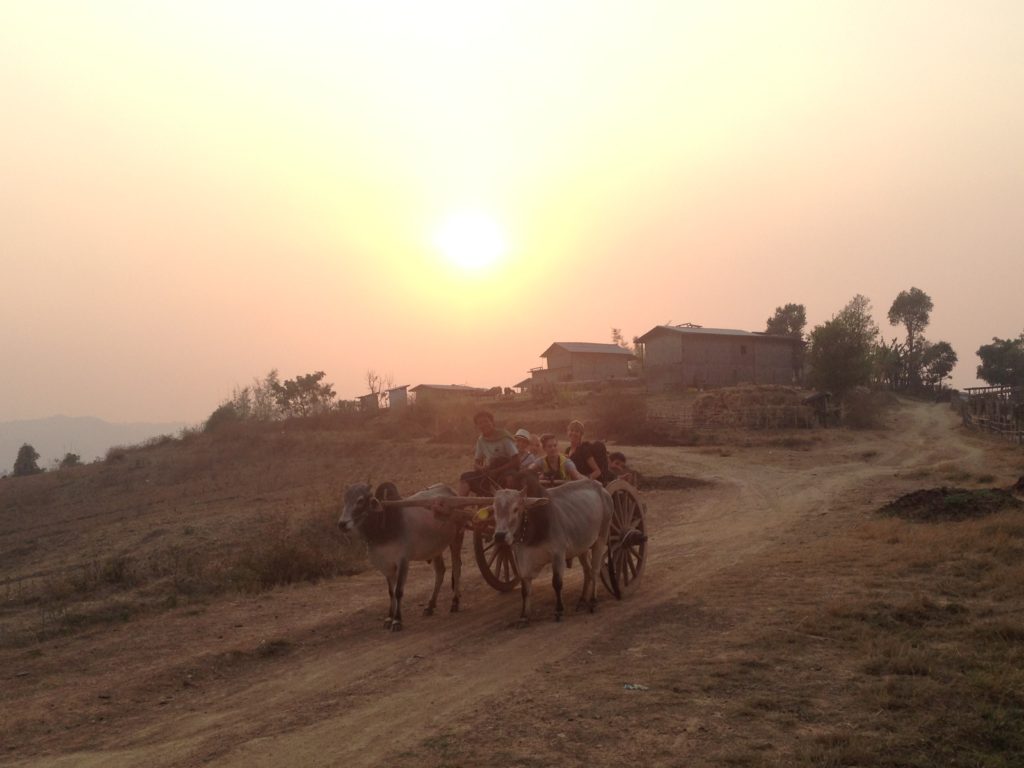
Later in the day we passed through a village where a local farmer was setting off on his cart pulled by two beautiful Oxen. Steve asked our guide if he gave rides on his cart, the question was relayed to the farmer who looked somewhat bemused, “no” was the answer to come back. Sona asked if we could have a ride on his cart, another bemused look, followed by a dubious “yes.” All 6 of us piled onto the cart with the obliging smiley 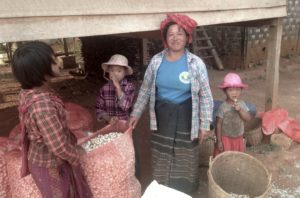 farmer and headed off down the dirt track. It was apparent as we became the centre of attention that this really was a first, that a farmers cart loaded with foreigners had never passed through this community before. Villagers were jostling for the best vantage points to see this obviously weird spectacle. It turned out to be a long and bumpy ride for which the farmer wouldn’t take a single penny. He did it simply because we’d asked him if it was possible and to make us happy. As he turned and left to go home we couldn’t help but think it was a light bulb moment for him and the community who had witnessed it – a new and easy way to access the tourist dollar…
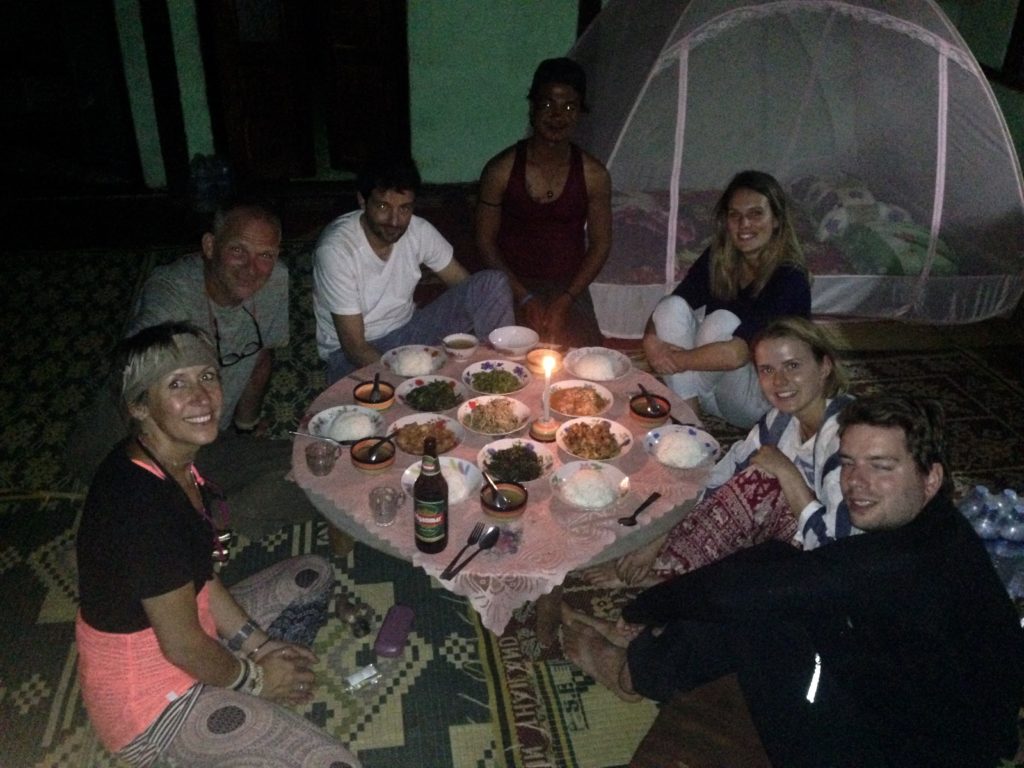
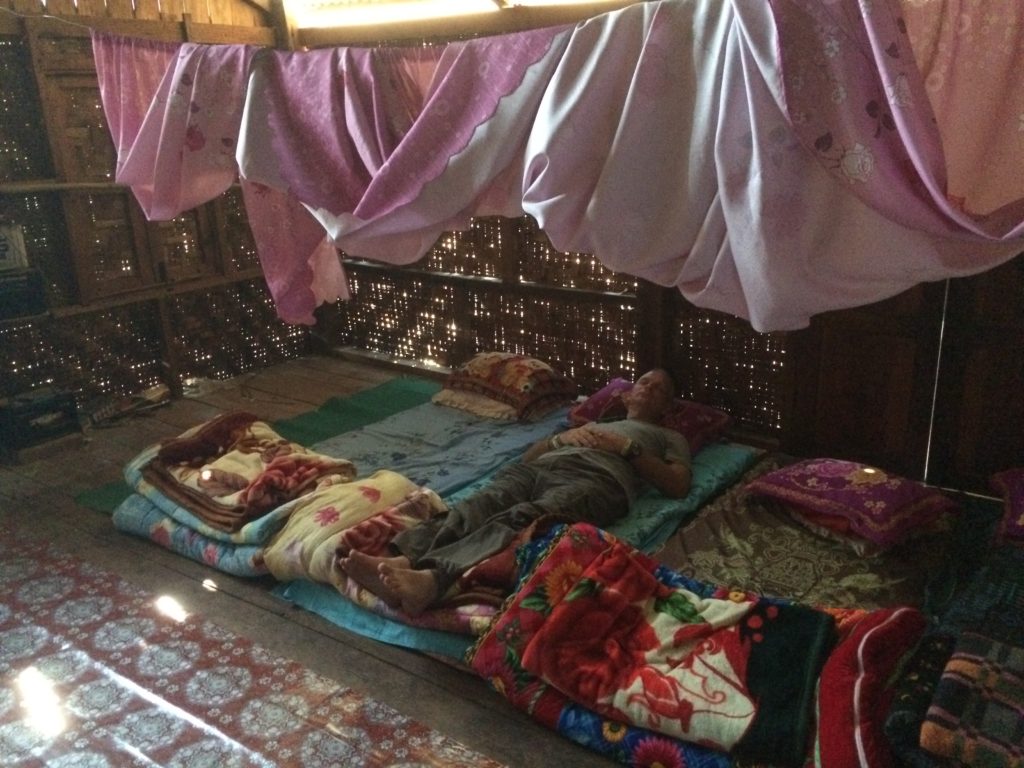
 That night at our very basic homestay we enjoyed some glorious local food and settled into our little mosquito net tents set up inside a villager’s home. We all slept soundly – it had been a very special day.
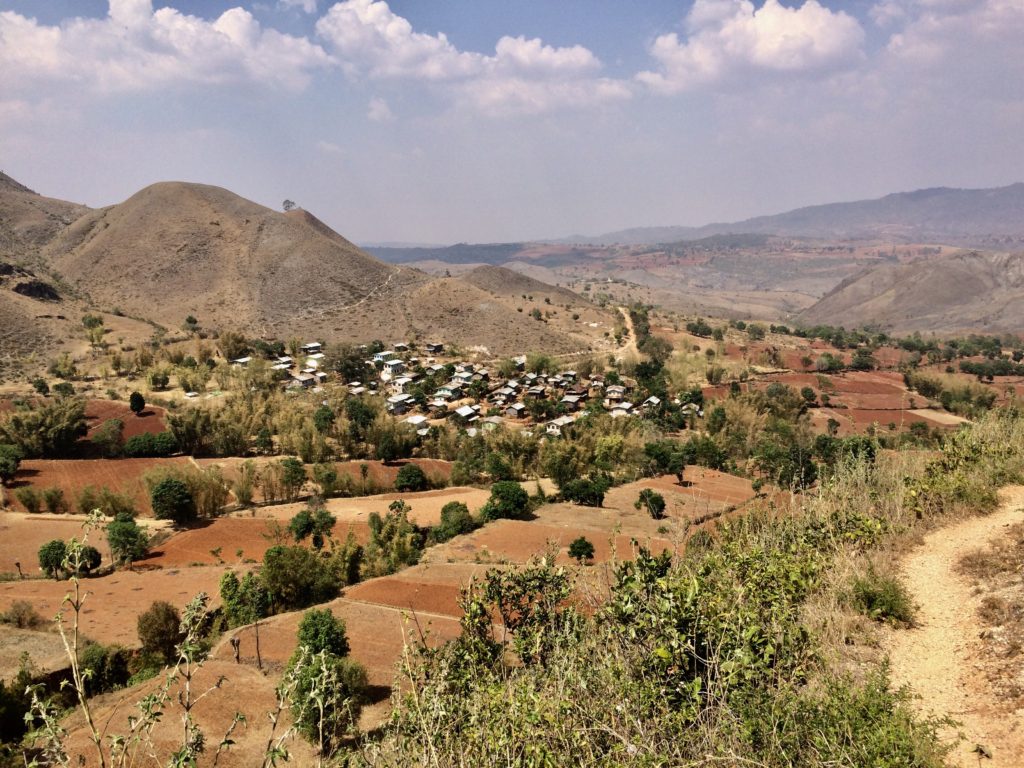
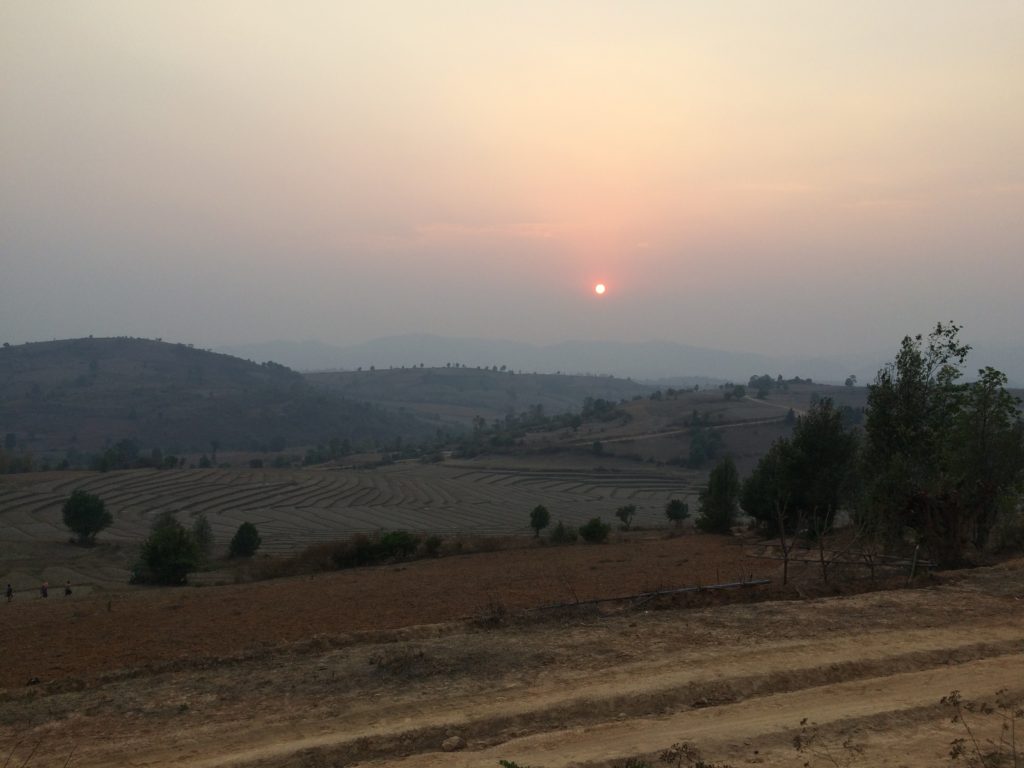
We woke to more glorious sunshine and enjoyed a hearty breakfast setting us up perfectly for the day. Our trek passed through more villages and stunning countryside, we watched local people weaving baskets, we marvelled at the beauty and condition of the oxen pulling the carts, the girls spent time with the children and the boys played a keepie uppie game with some lads and their homemade ratan ball. We had a huge lunch and a siesta before walking some more to reach the village that would be home for the night and the place where things took a downhill turn.
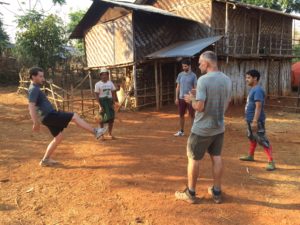
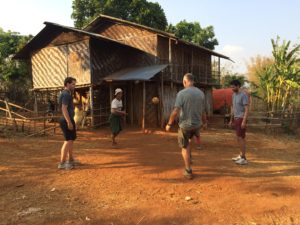
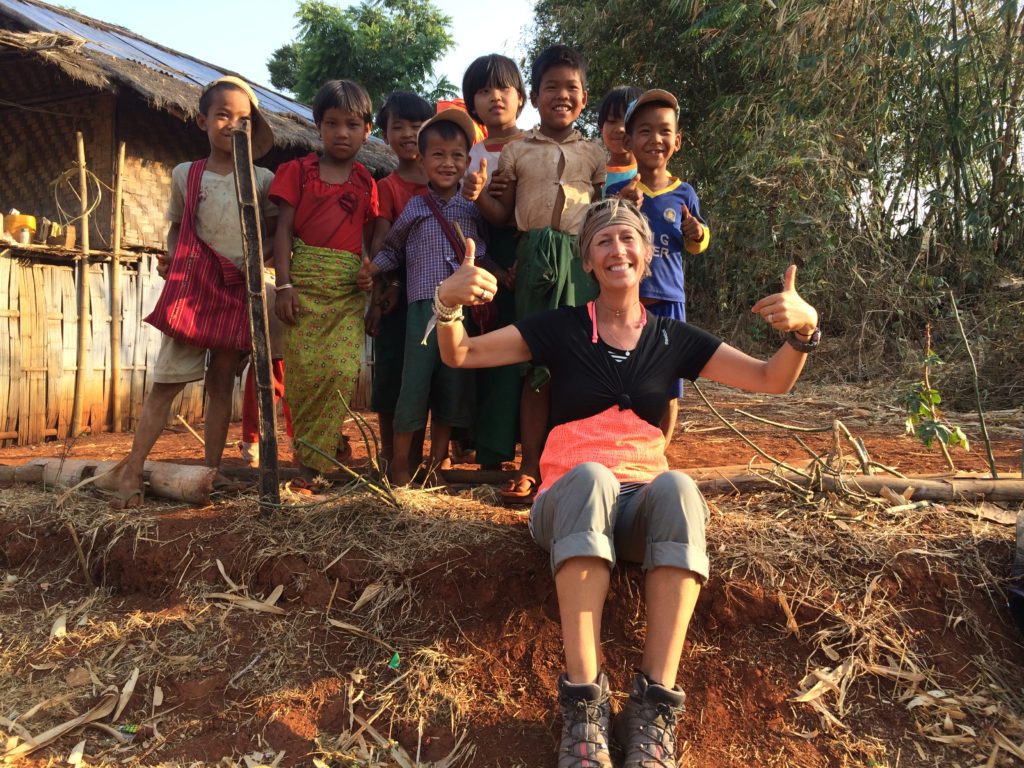 This homestay was as we expected basic. It was little more than a garage with an upper floor of two sleeping areas accessed by a bamboo ladder. It had only one crude toilet some distance from the house to be shared by the six of us and our hosts. None of this would usually be a problem, but throw in a bunch of extremely poorly people and it very soon became a big problem – it was not a happy place.
Scene set, the rest of the night goes like this…
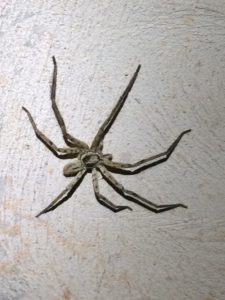
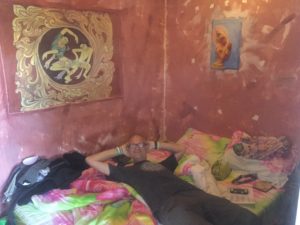
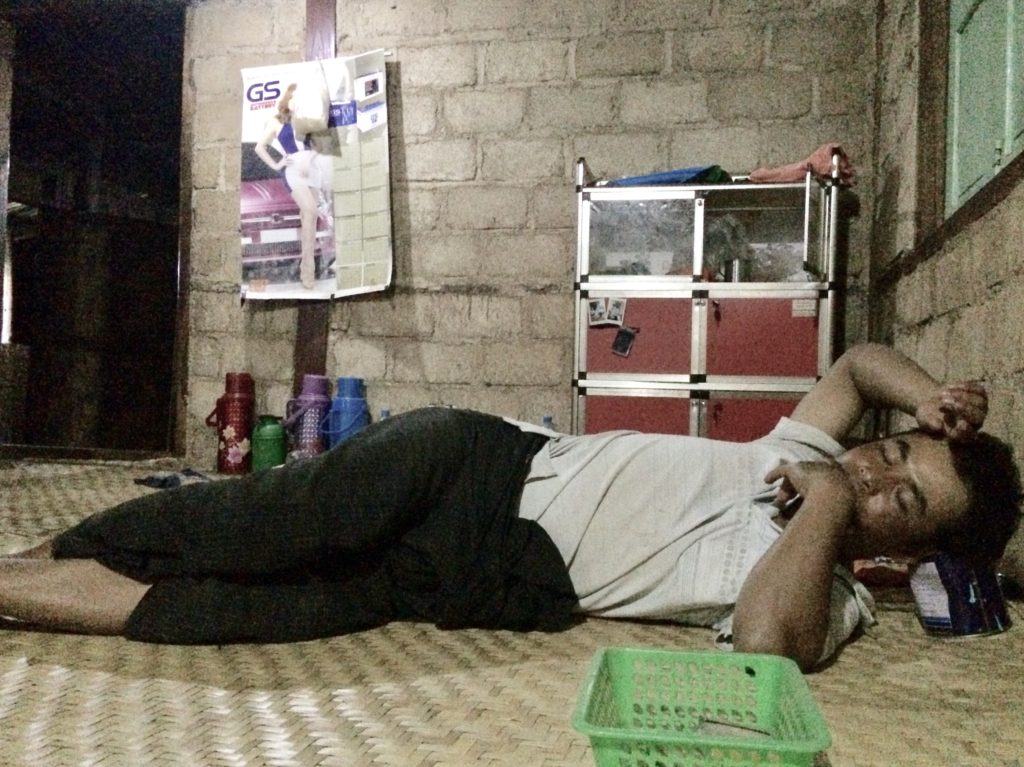
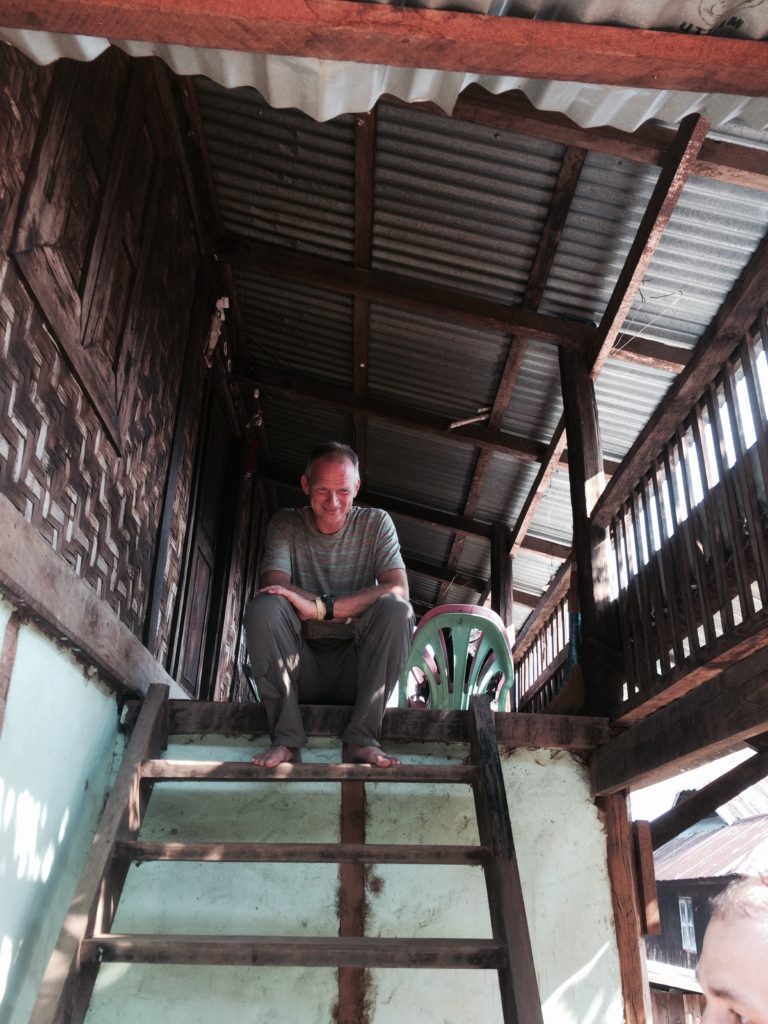
I started feeling ill for the first time in 6 months of our travels. Everyone else at this point was fine. I went to bed, everyone else ate dinner including a goat stew for the non vegetarians. I became very ill finding it increasingly difficult to get from room to toilet in time – no more detail needed. As the night went on we heard moaning and groaning from next door – 4 out of the 6 of us were now sick. Some people slept well, as in our host below sleeping on his paint can pillow, but the tricky bamboo stairs and longish walk to get to the one and only toilet (housing a rather large spider) made for a long and unpleasant night for the rest of us!
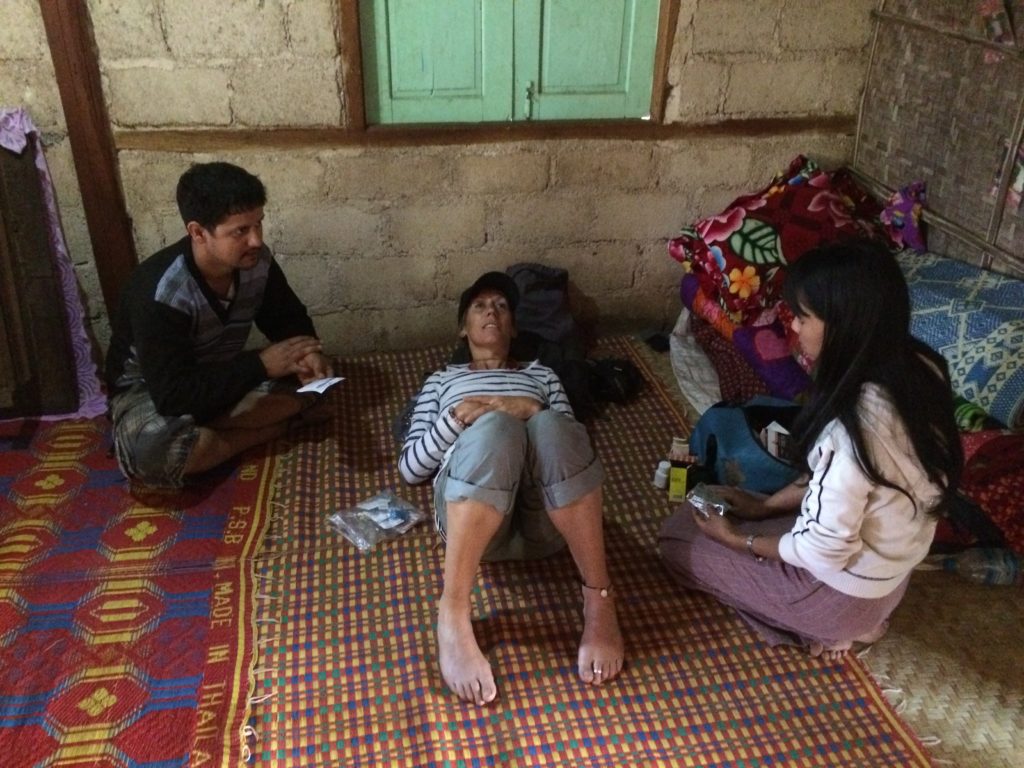
By morning everyone was less violently ill but, to be on the safe side, a lovely and very young doctor from goodness knows where was called to check on us and medication of goodness knows what was given out. The 4 of us were unable to trek any further and so emergency evacuation via jeep was needed. We were miles from anywhere and so getting to civilisation proved neither quick nor comfortable. Marion and Sonar continued the trek while Steve, ironically now the only well person following his long illness, was our guardian, making sure we all got to where we needed to be. The day felt like it went on forever.
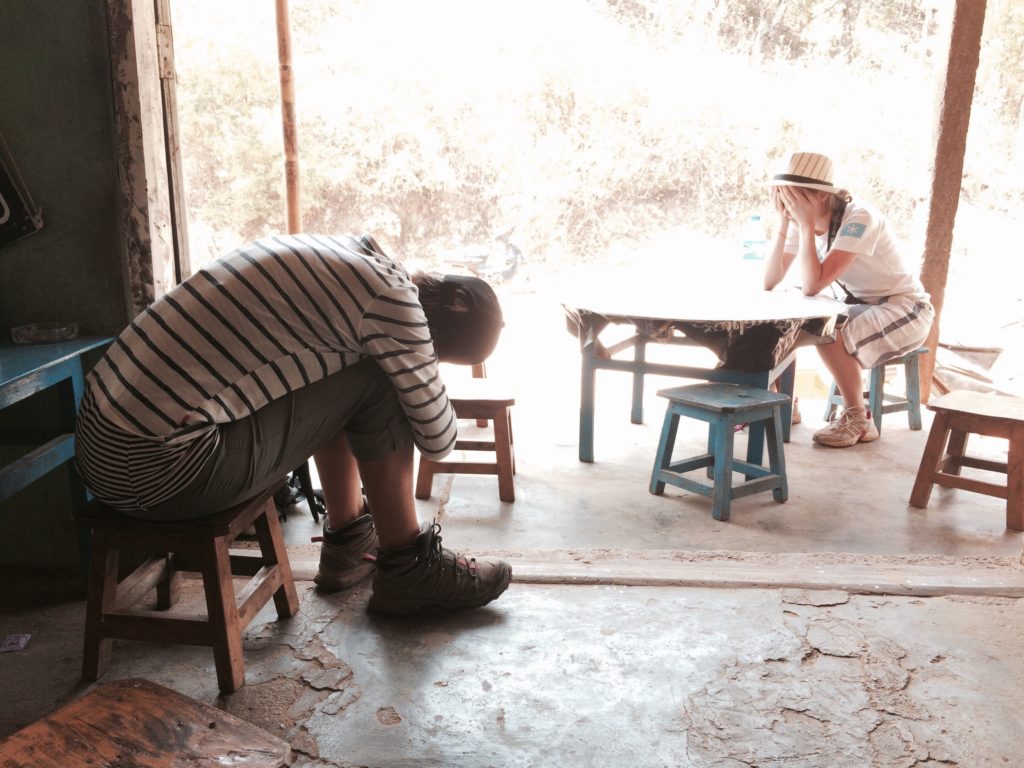
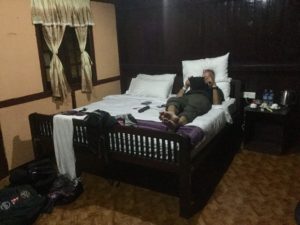
The moment we arrived at our guesthouse I crashed on my lovely comfy bed and didn’t move for hours. It would be a couple of days before I was up and about again.
Feeling better!
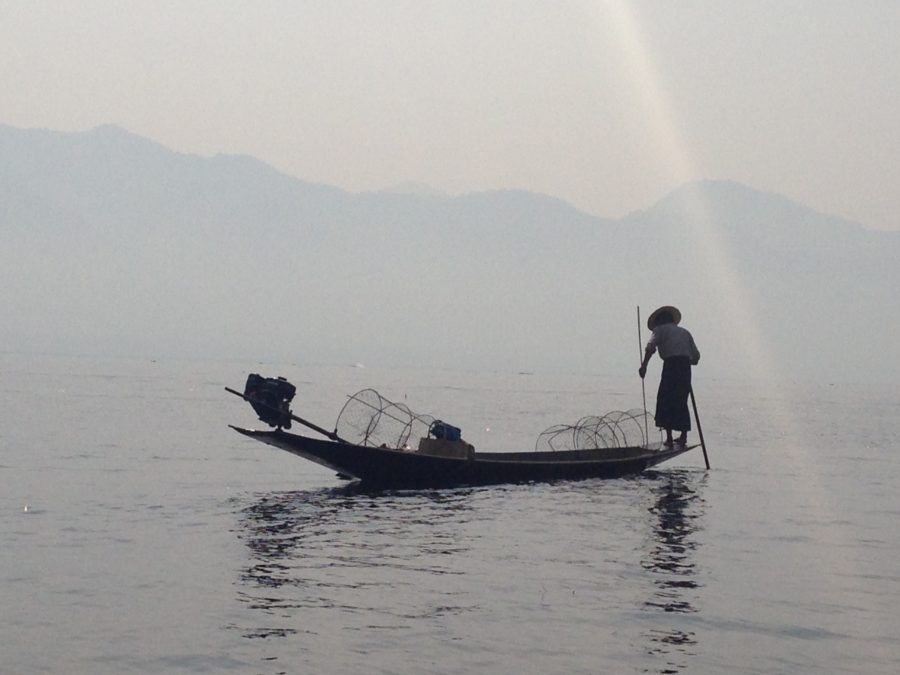
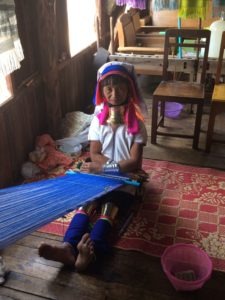
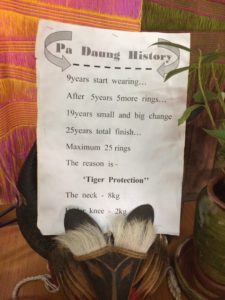
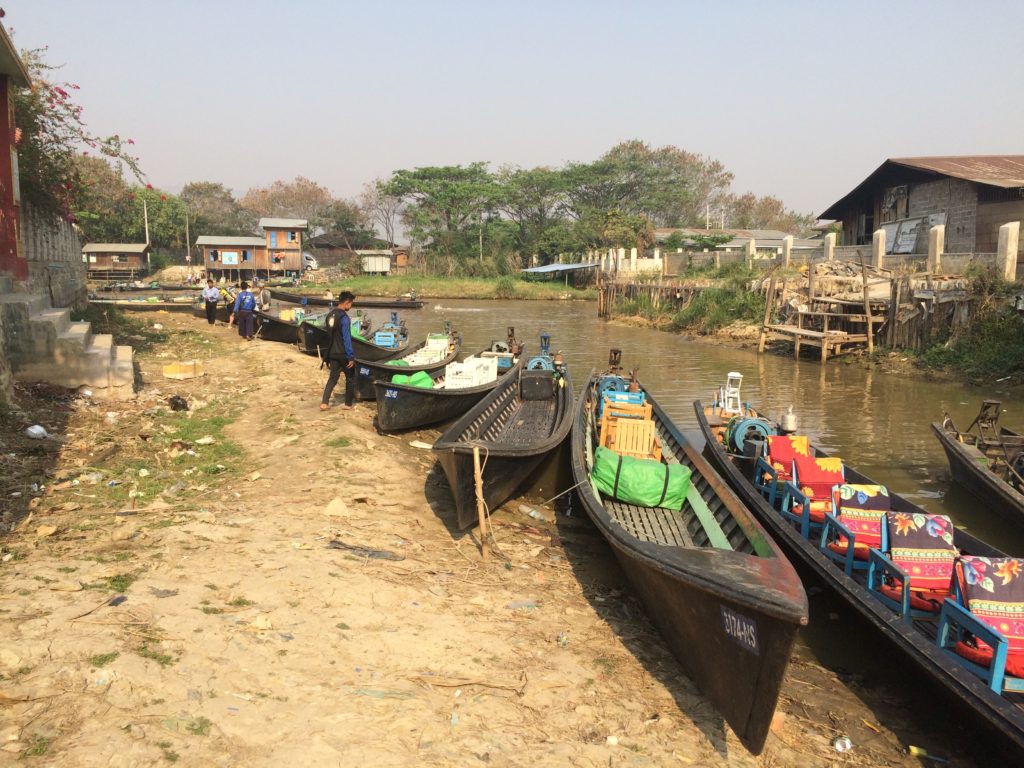
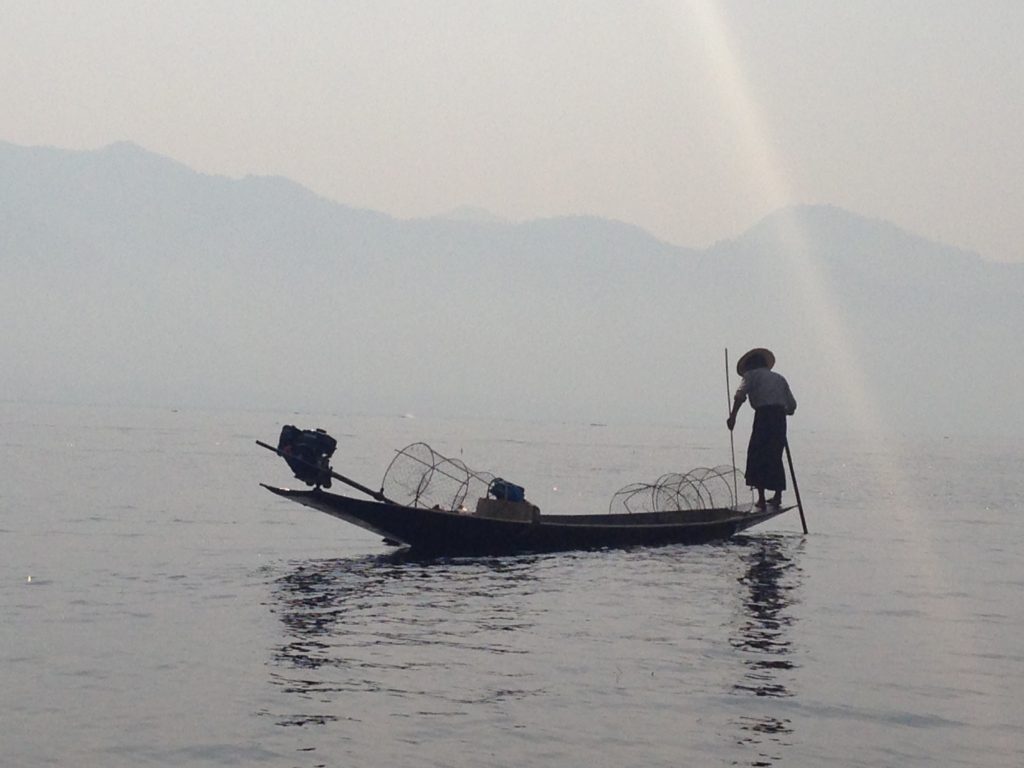
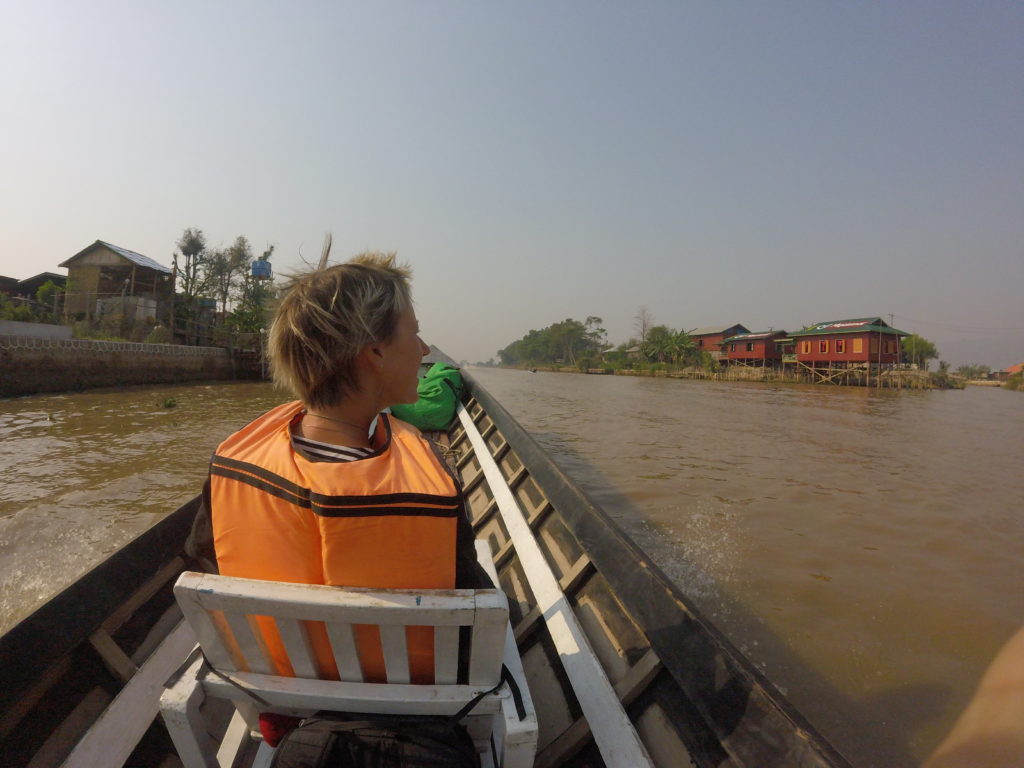 Once well enough we booked a boat trip to Inle Lake, one of the must sees in Myanmar. The lake is a huge 13.5 mile long, 7 mile wide expanse of shallow clear water no more than 12 feet deep at its deepest point. It’s fringed by marshes and floating gardens, where stilt-house villages and Buddhist temples rise from the water. The Intha fisherfolk work here propelling their boats using an unusual leg-rowing technique and the famous and fascinating long necked women can be seen weaving at various touristy stop off points. There are markets selling local trinkets and shops selling silverware – it was a brilliant day exploring a unique part of the world.
This was the very last thing on our Myanmar to do list, sadly it was now time to pack our bags and leave this wonderful country and its warm and friendly people.
What an experience it had been – from the buzz of Yangon to the stunning Ngapali beaches, from the beauty of the Bagan temples to the serenity of Inle Lake, from the enjoyable boat and train travel to the trekking in remote areas – we’d loved it all.
Where had the last 4 weeks gone?
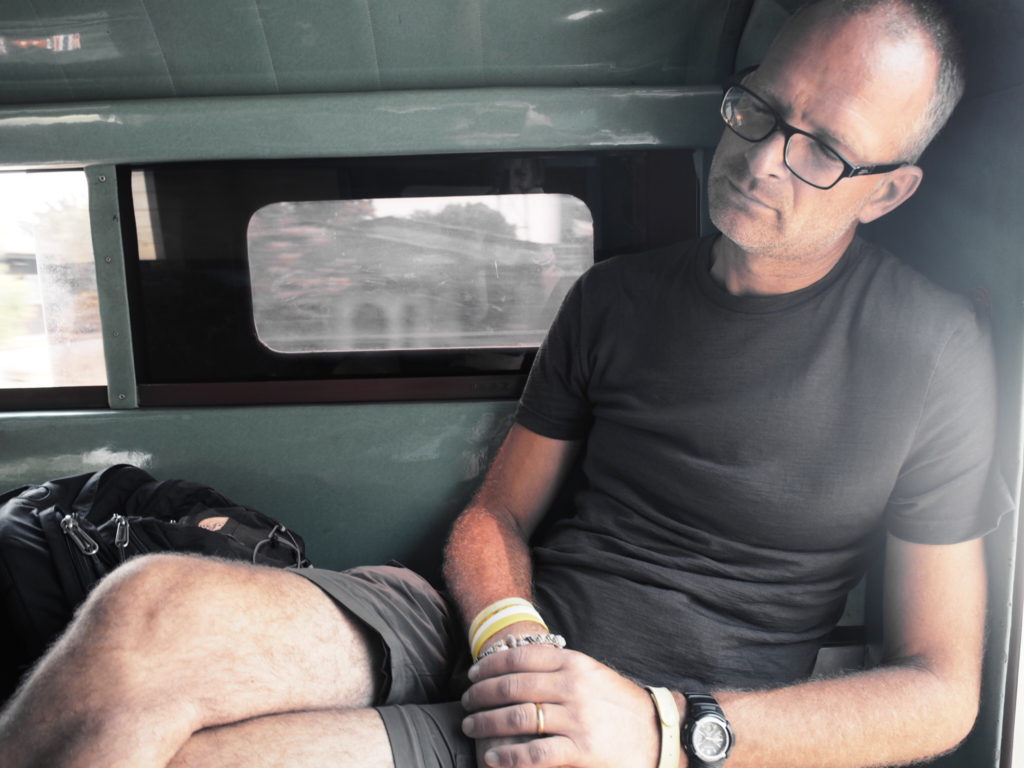
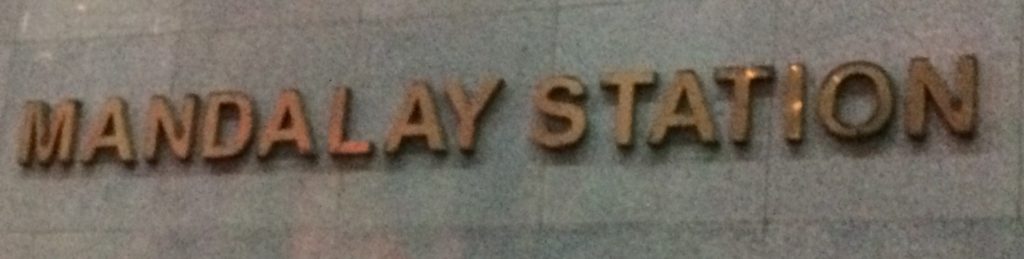
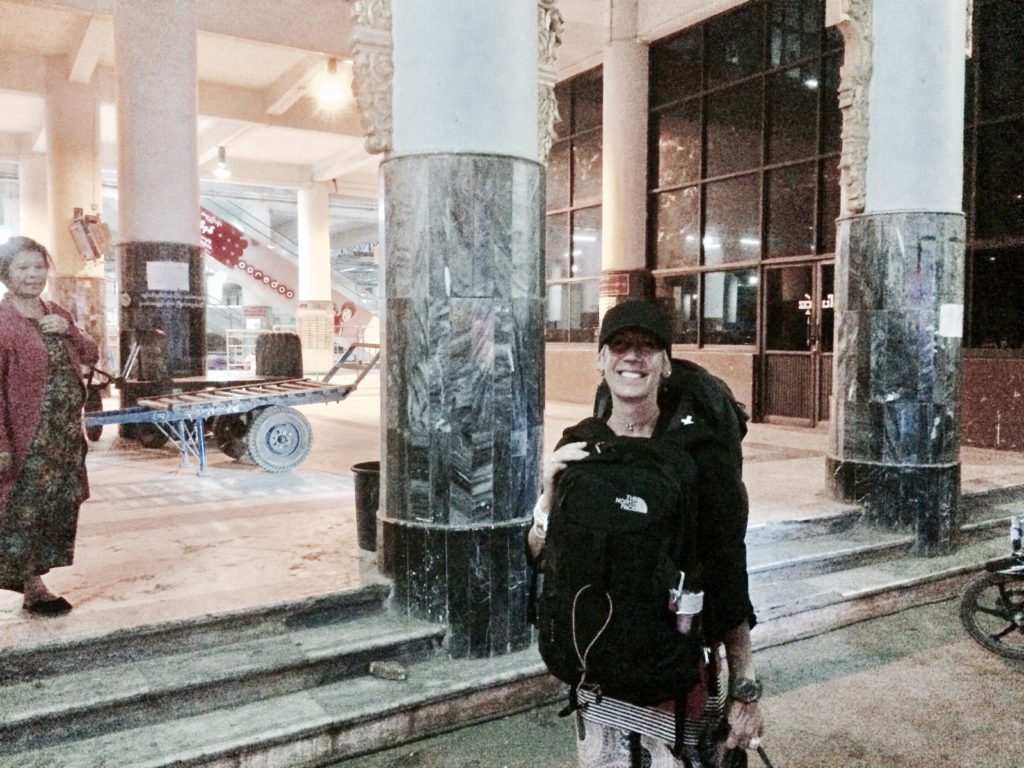
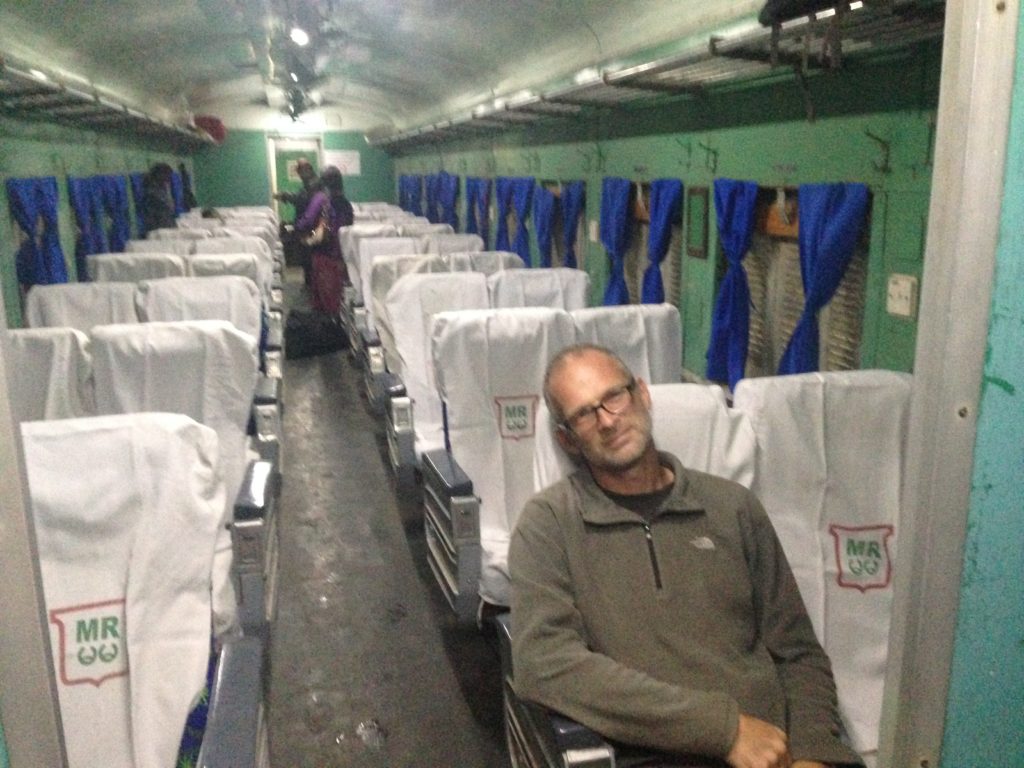
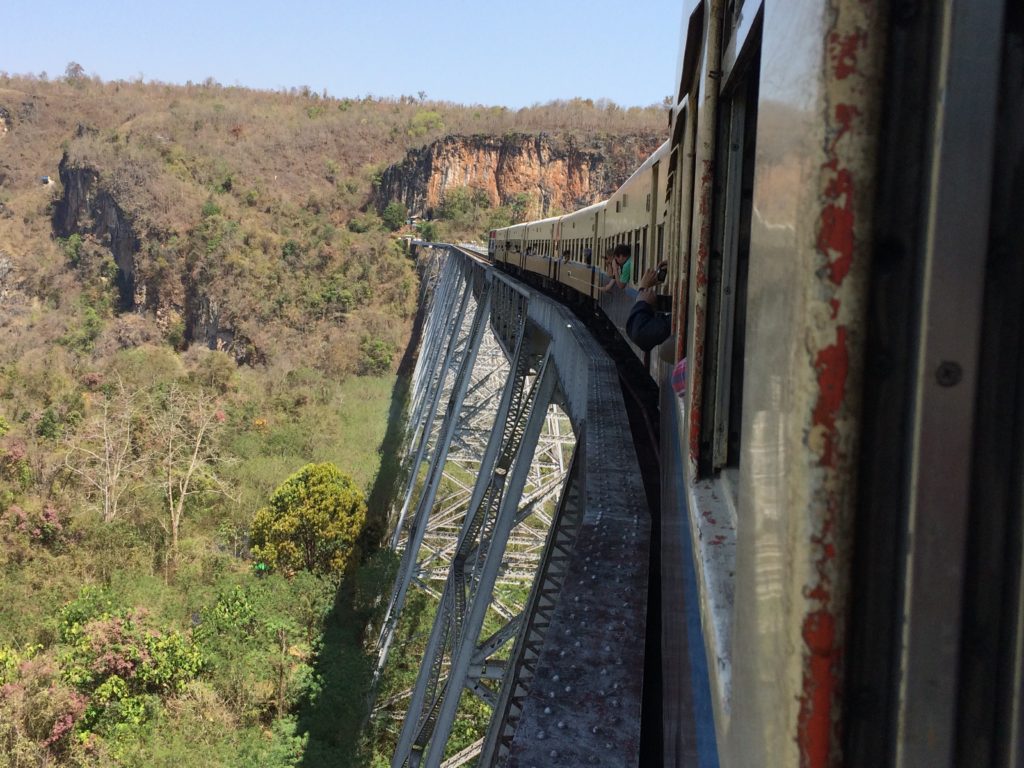
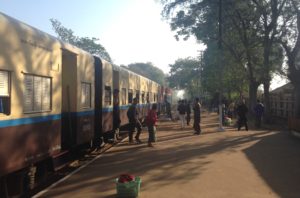
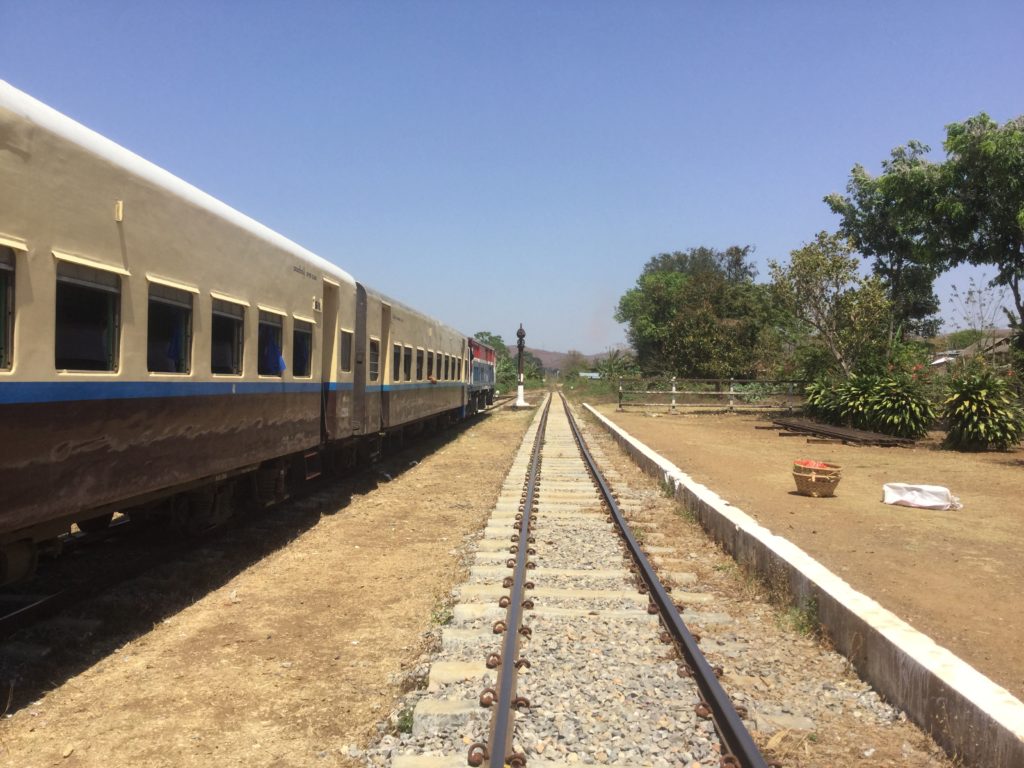
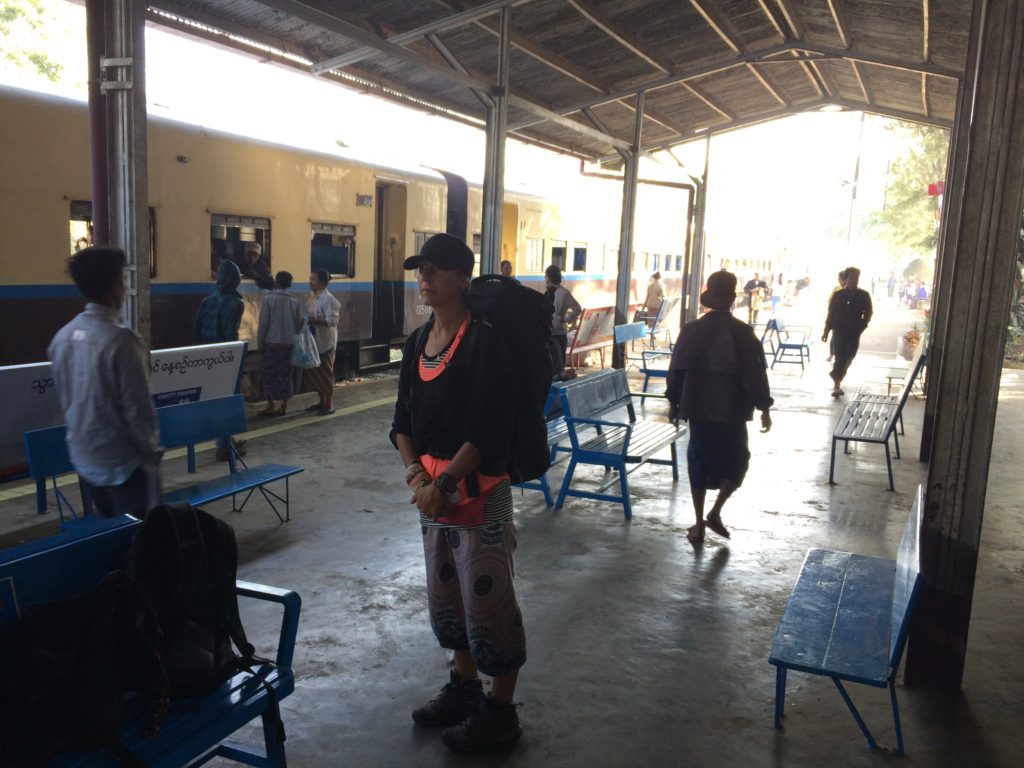
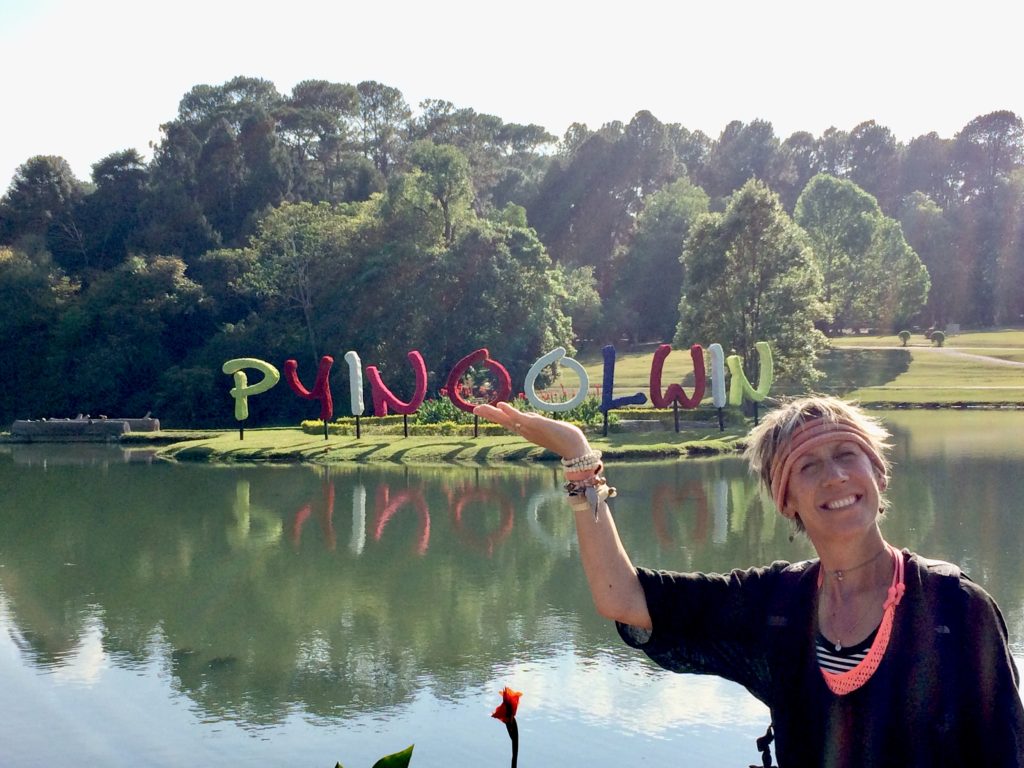
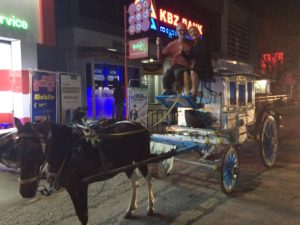
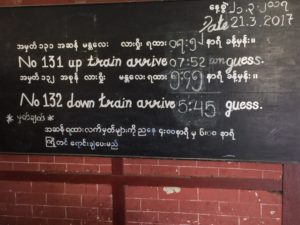
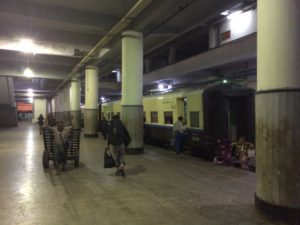 It was yet another early start to catch the train to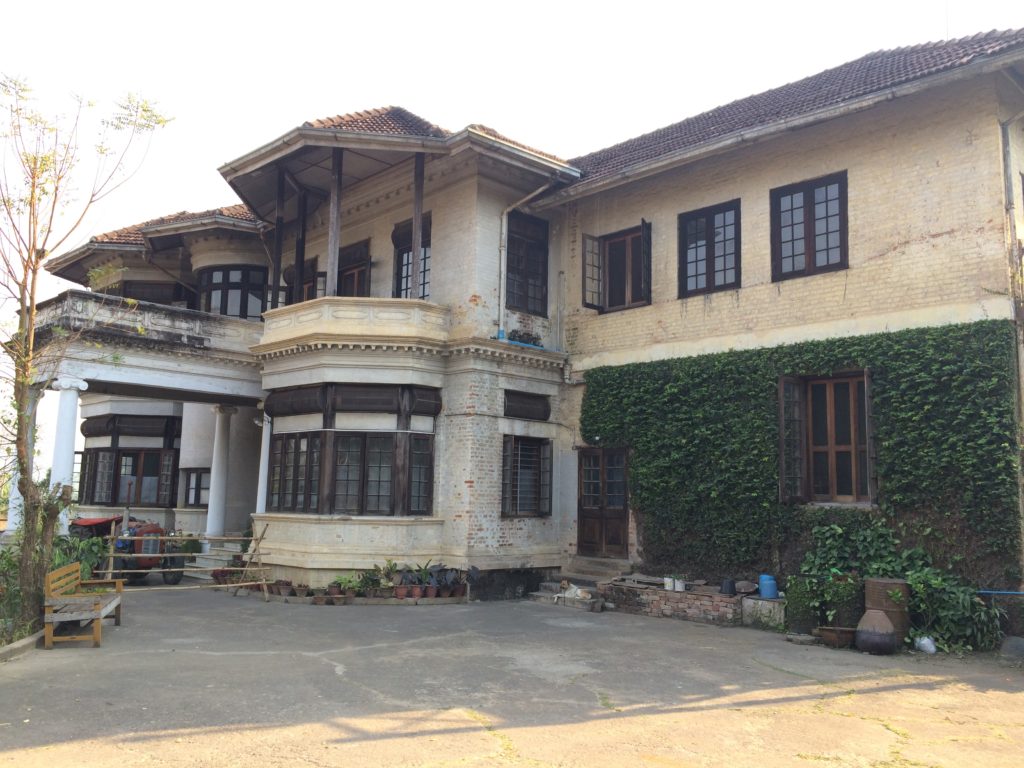
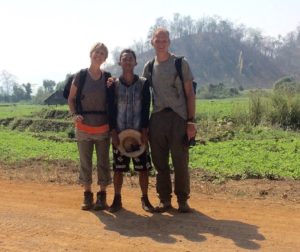
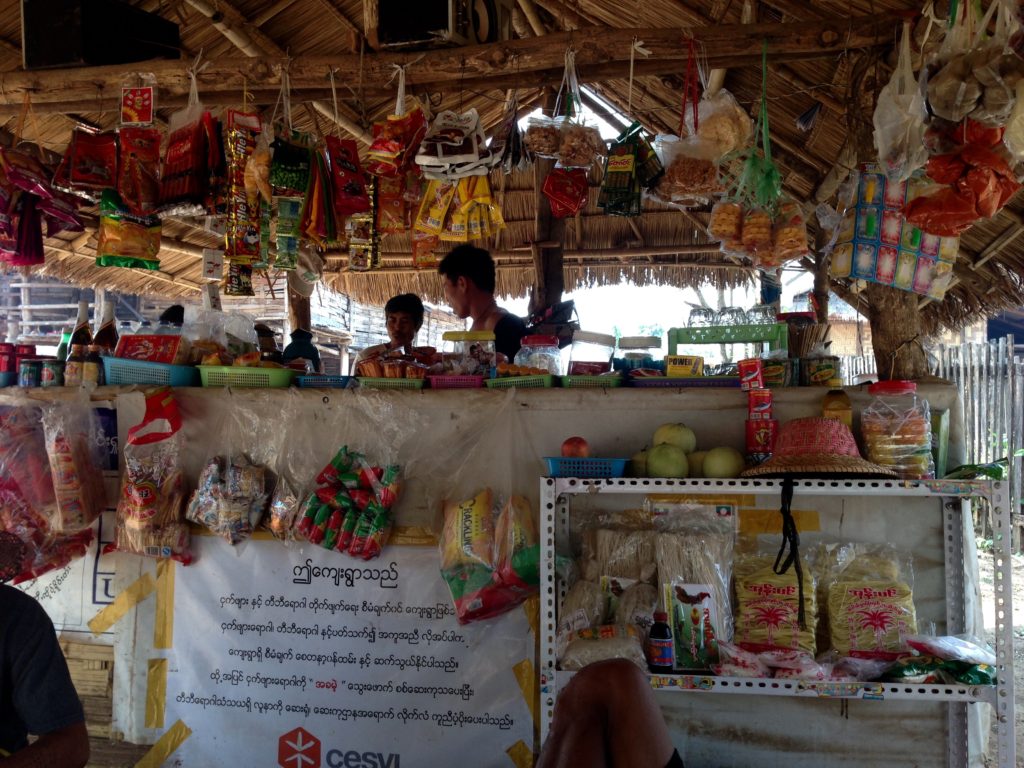
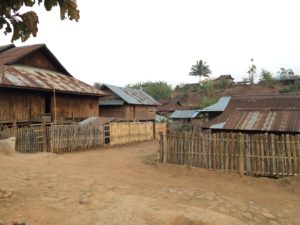
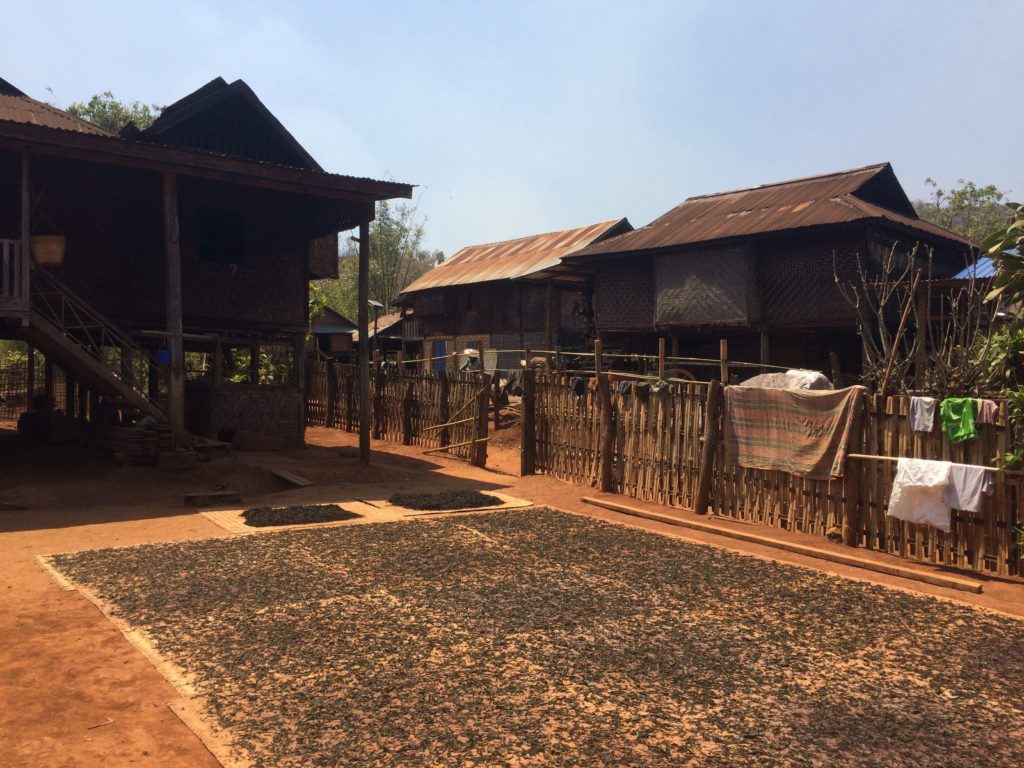 We climbed into the hills and enjoyed a delicious lunch of local fare at a homestead in a Palaung village before walking a few miles more to the village that would be our home for the night. Here there were yet more Shan army, about a dozen of them, all with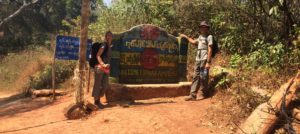
 It was time to bid farewell to Ngapali beach and head the 10hrs to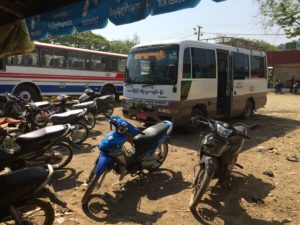

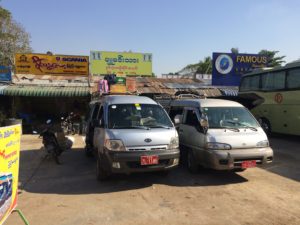
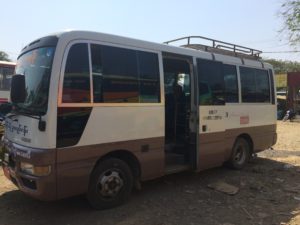
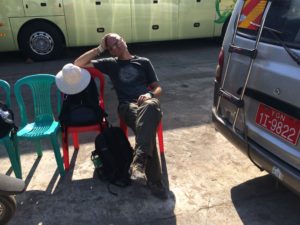 We retraced our footsteps to the bus station for the second 10hr leg of the journey to our next destination – Bagan. Much to my disappointment the bus was in fact a mini van, the first of our trip so far. Wedged into the overcrowded space and with absolutely no leg room and no escape route if anything went wrong it felt extremely claustrophobic. I decided I would read my book for the duration and try not to think about our confinement, Steve, crammed into his tiny space and unable to look out of any windows instantly felt travel sick and the boy next to us had already started throwing up – neither of us were looking forward to the journey ahead. Thankfully though the driver, unlike many of his Asian counterparts, didn’t have a death wish and drove relatively safely, Steve wasn’t sick and me, well I just kept my head down – it wasn’t so bad after all.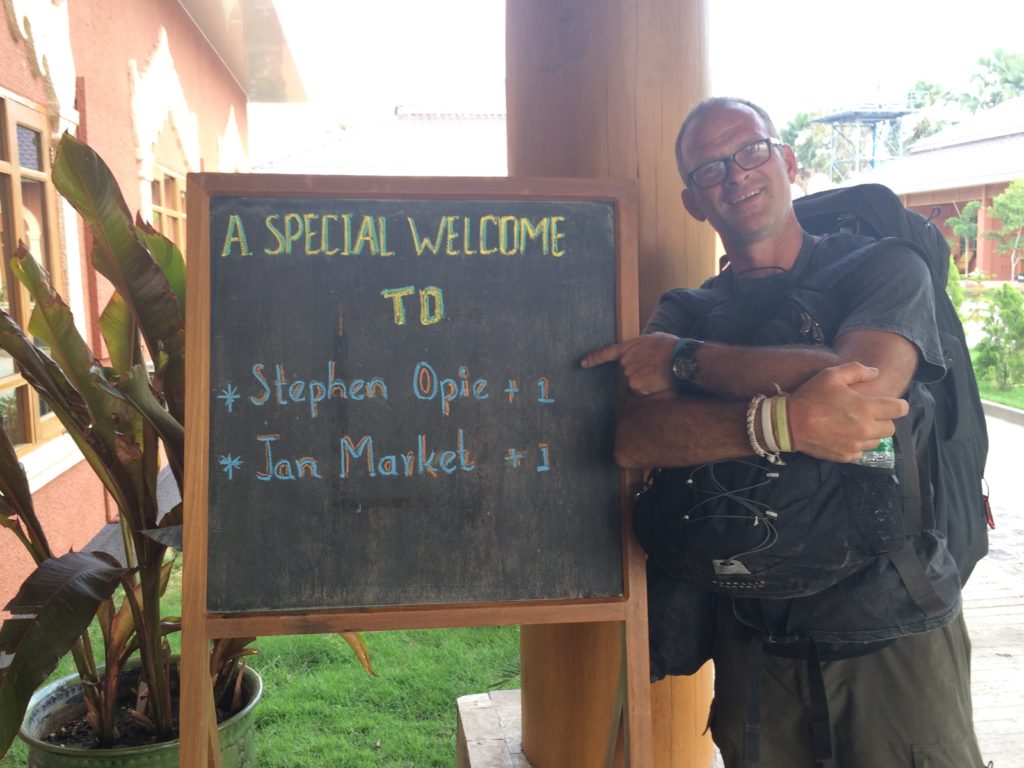
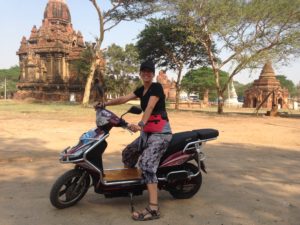
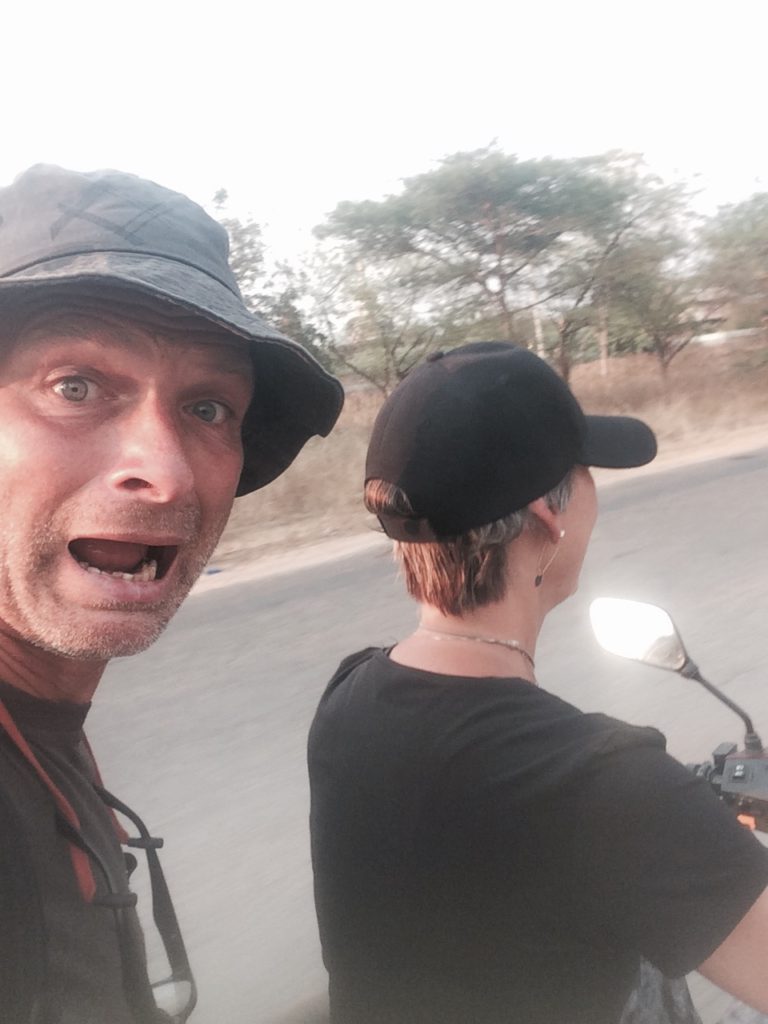
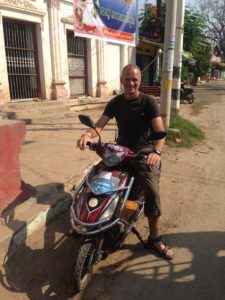 Following a great breakfast it was time to pick up our e-bikes – yikes! Our requests for helmets were poo pooed, this is Asia after all, and stupidly we didn’t push the point – but with a top speed of around 10 miles-an-hour what could possibly go wrong?! Following some simple do this, don’t do that instructions we set off. My thought worm for the day started almost immediately, it went like this – “If something happens to us how, exactly, are we going to explain why we’re not wearing helmets?” and “if our kids ever do anything like this I’ll kill them!” With this in mind we slowly bimbled around being overtaken by just about everything else on the road.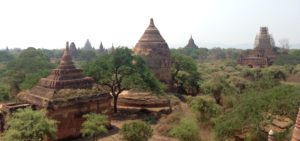
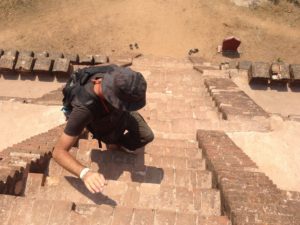
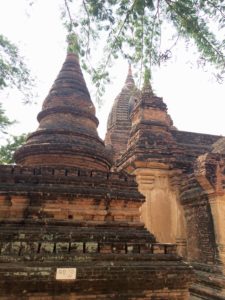
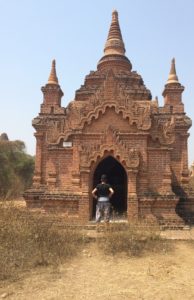
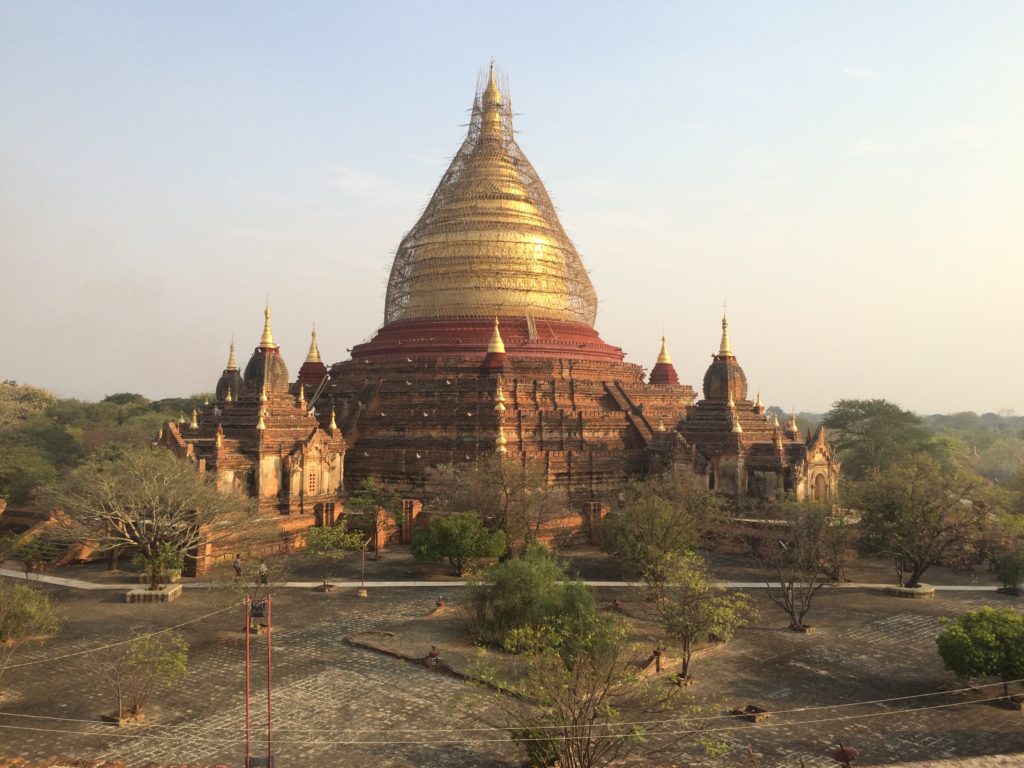
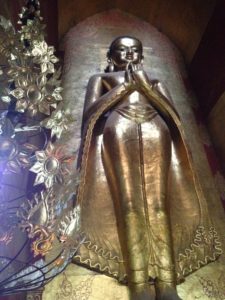
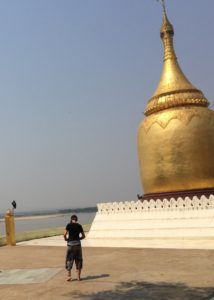
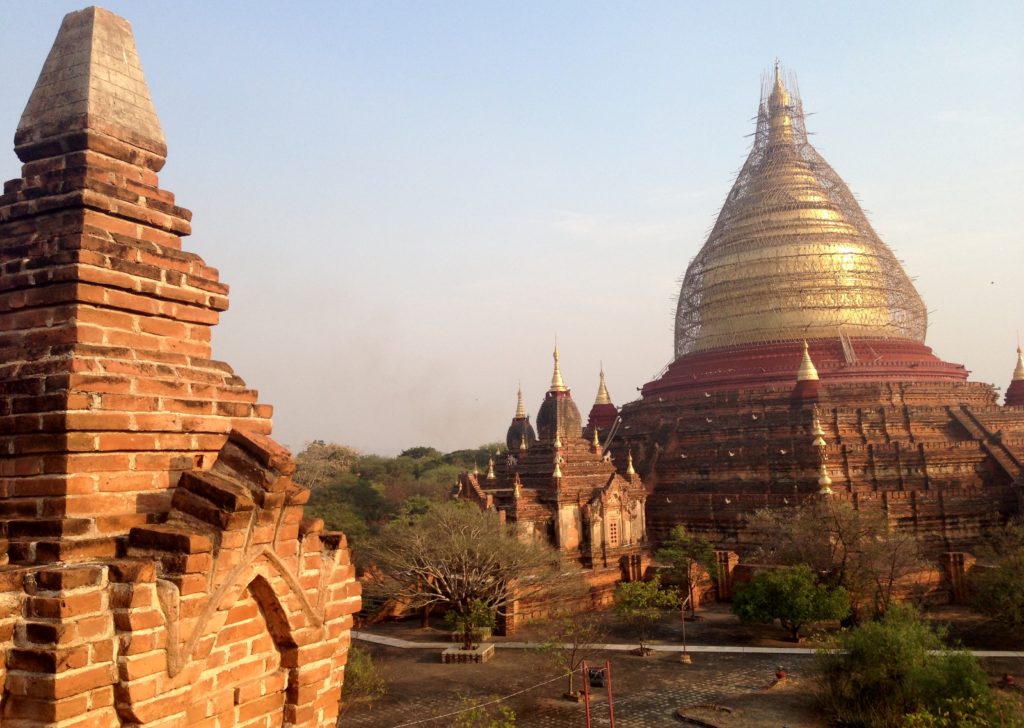
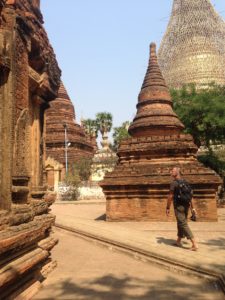
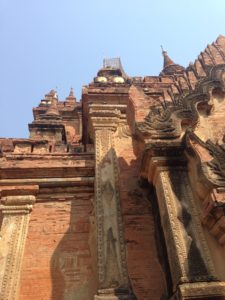
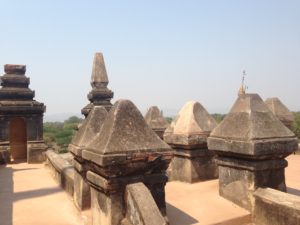
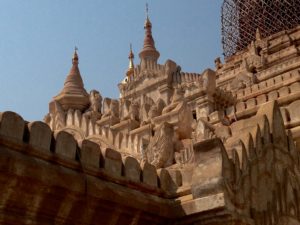
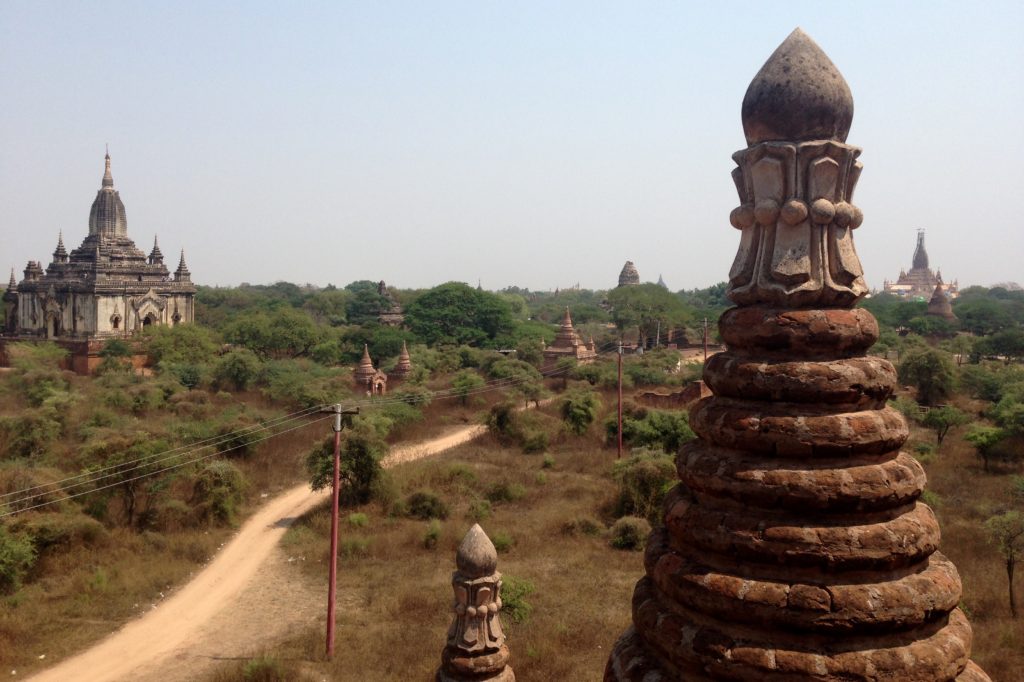
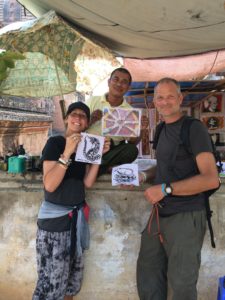
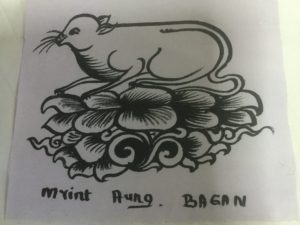
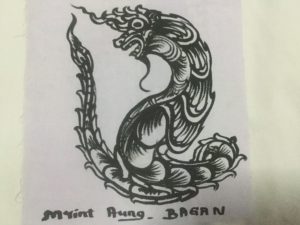
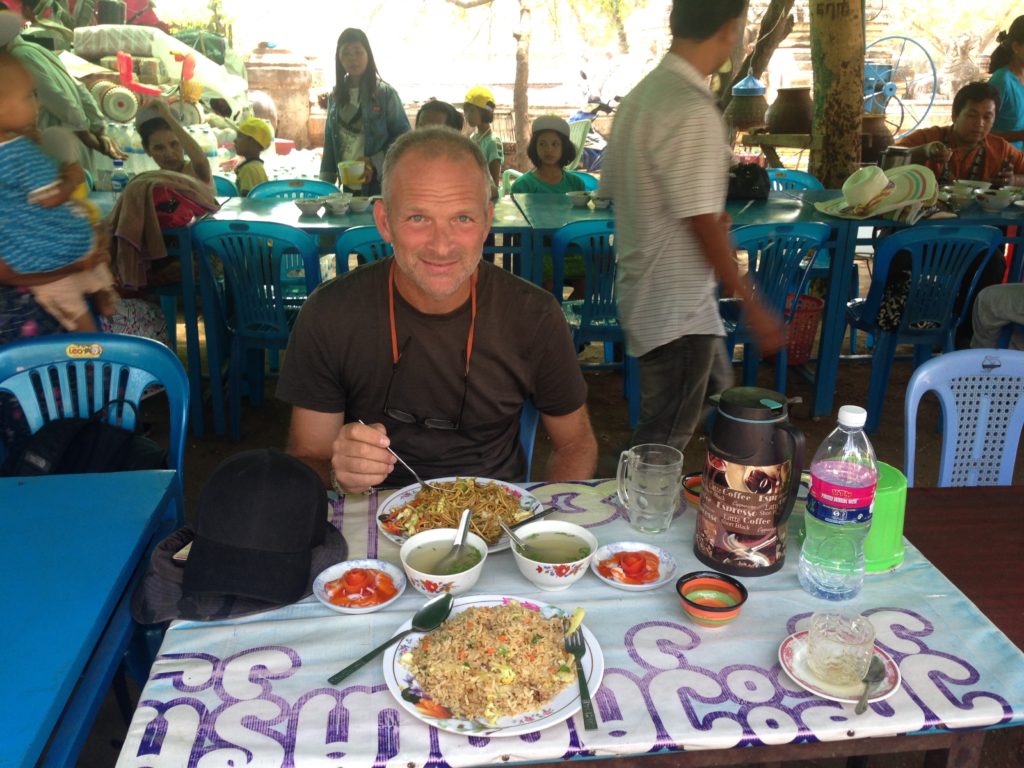
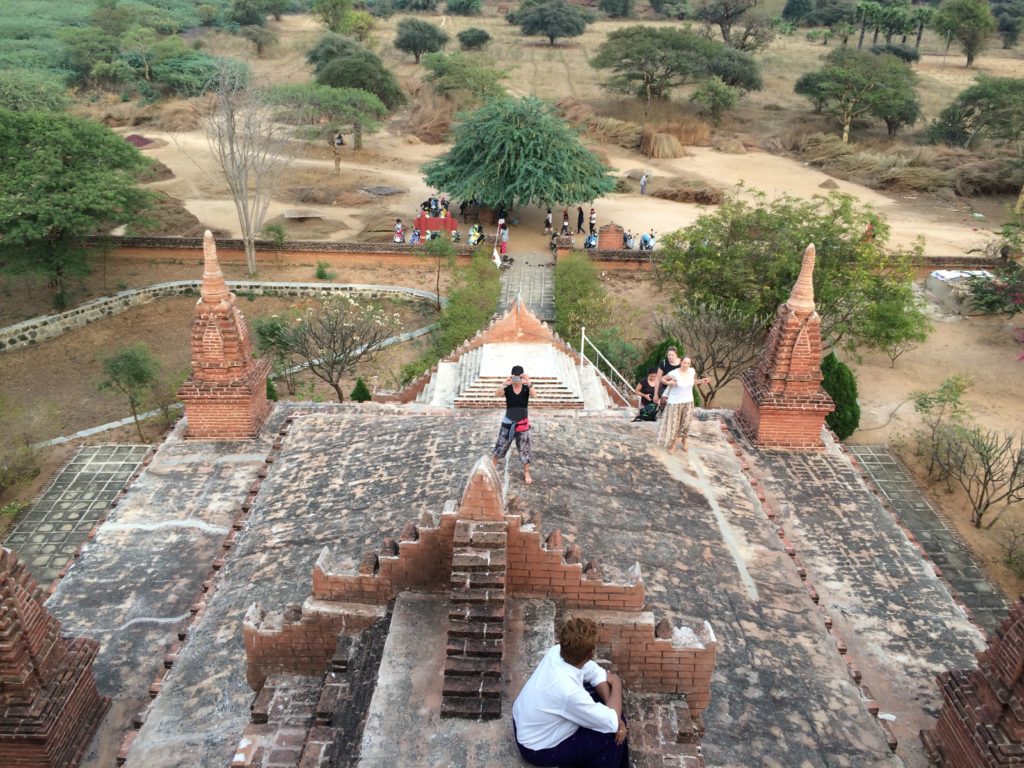
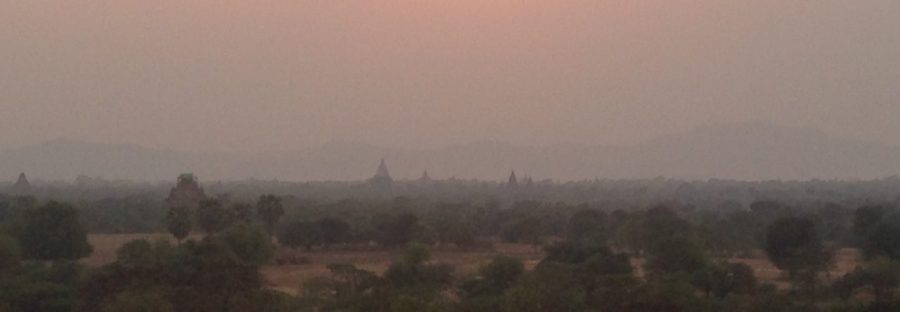
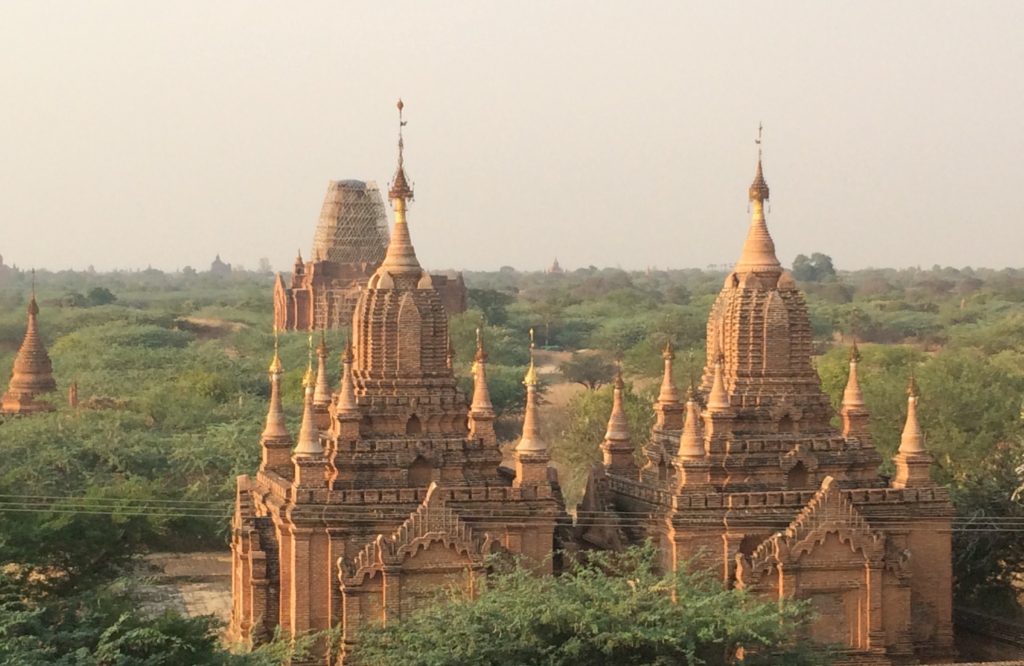
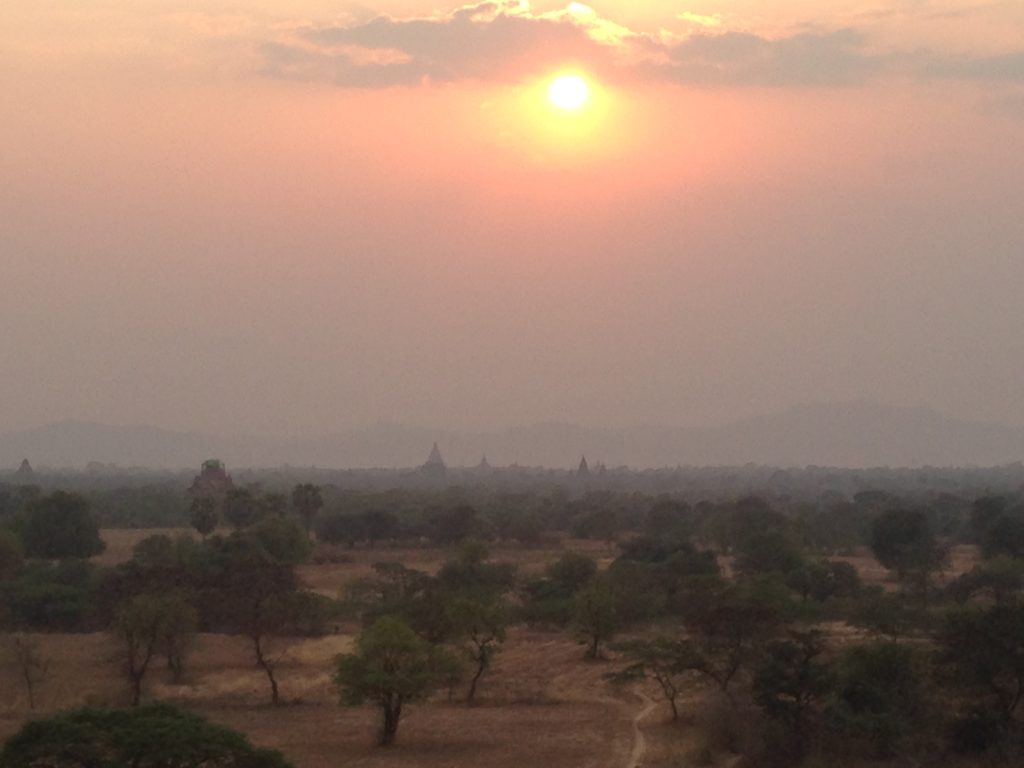
 A must do here is to watch the sunset over the temples and there are various suggested places to do it. The faffing with our bikes however meant we were too far away from any of these points and left us looking for an alternative. The spot we found was amazing. From the dirt track we were ambling along we could see people with a perfect view in the not too far distance. Bingo we thought and headed in their direction. We ascended the temple – a tricky little climb – found ourselves somewhere to sit amongst locals and travellers and watched a beautiful sunset over the surreal landscape of Bagan. It was a magical moment for everyone sat watching and a beautiful end to an eventful day.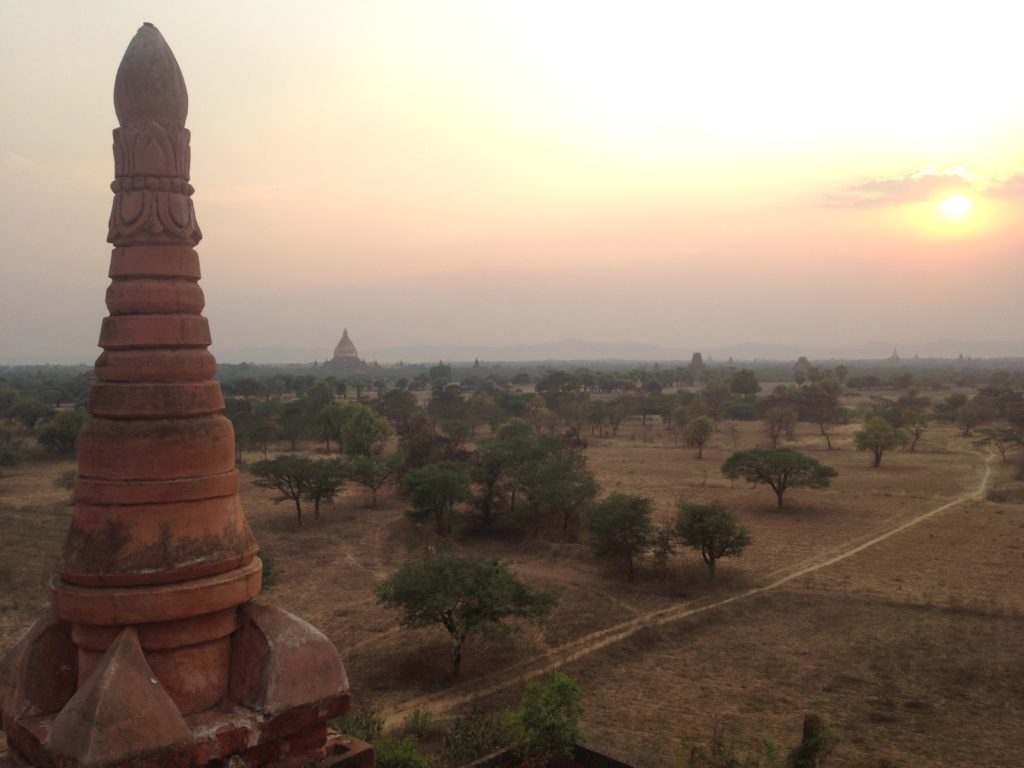


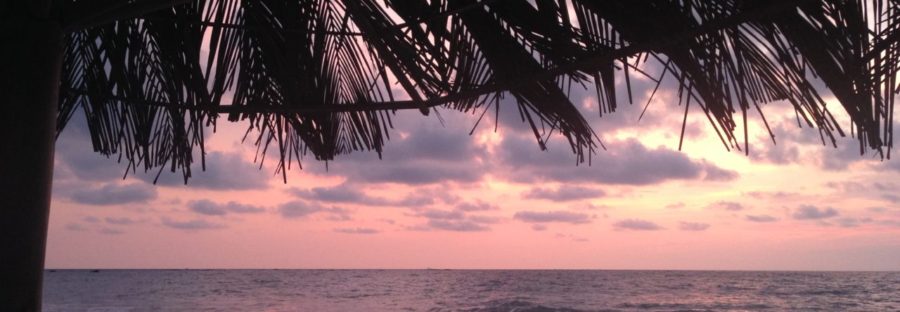
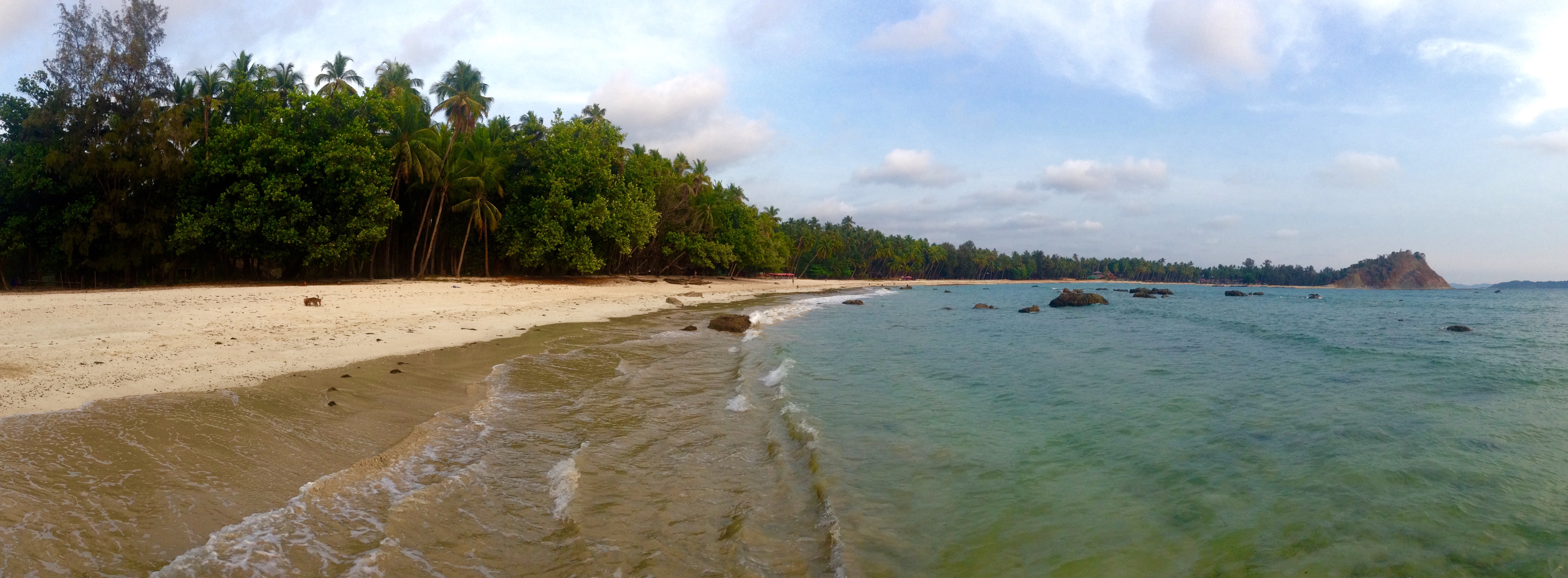
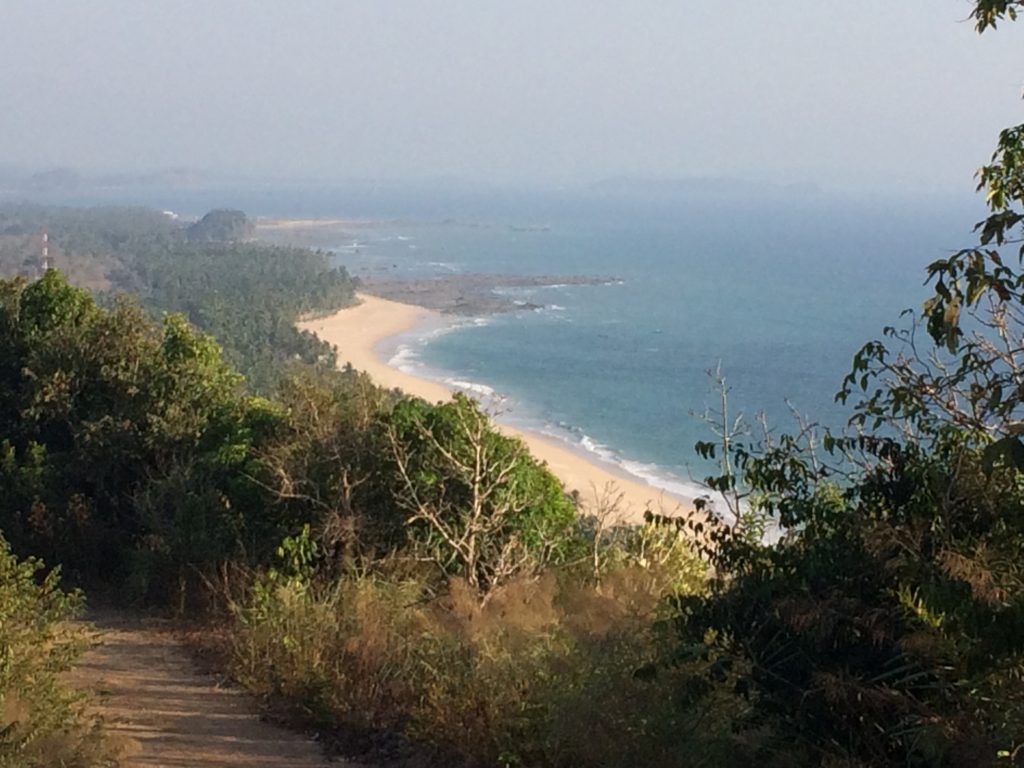
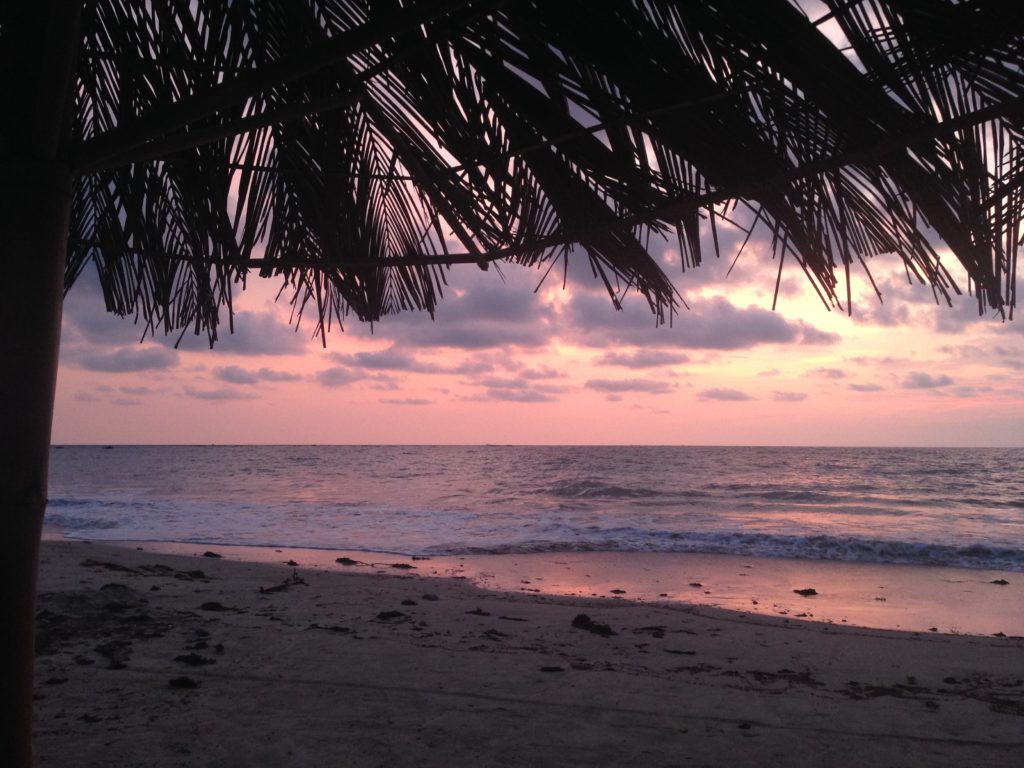
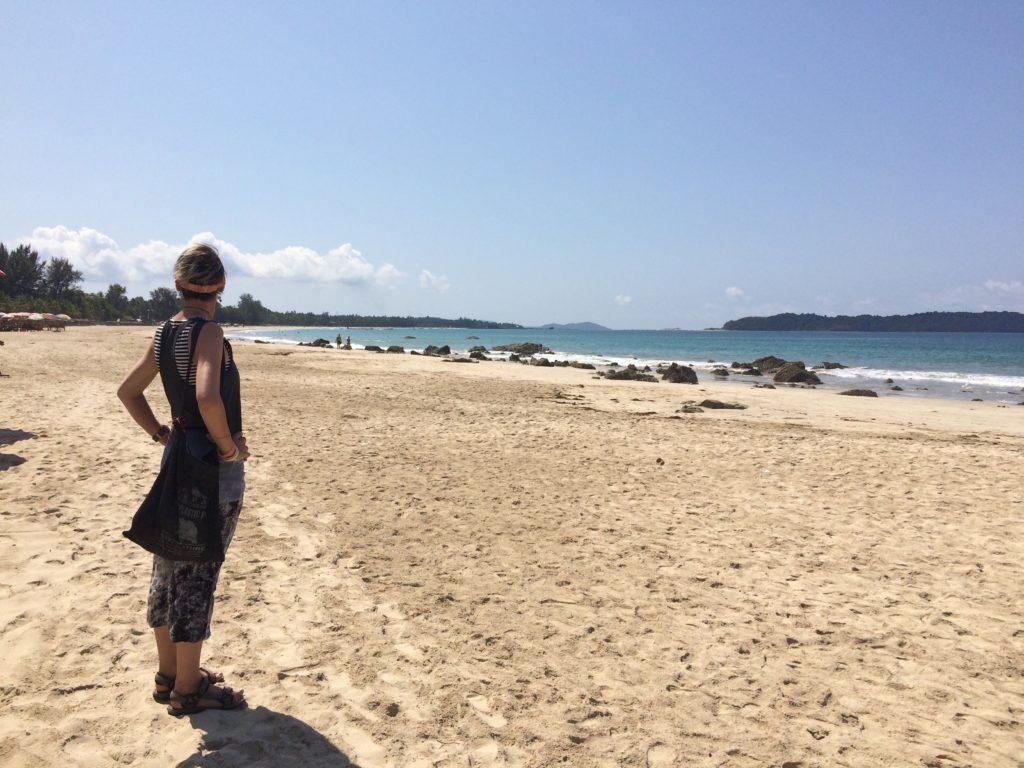 The resort of Ngapali consists of at least 4 beaches, all of them called Ngapali Beach and all with beautiful golden/white sand. The southern beach is the most developed with a plentiful supply of resorts, stalls and restaurants to choose from. A small, quiet, palm lined cove, which we called Kipling’s Bay after a pretty lodge on the road leading to it, lies just south of the golf course. Here you have a choice of a single tiny beach bar (when the bartender isn’t in the sea) at one end and a couple of smart lodges including Yoma Cherry Lodge at the other. The next beach, north of the golf course and south of the airport, was where we were staying and the most northerly beach was the largest, the least developed and possibly the most beautiful. Housing only a 5-star resort – Amara Ocean Resort – and one beach cafe that we could see it was nothing short of a deserted paradise!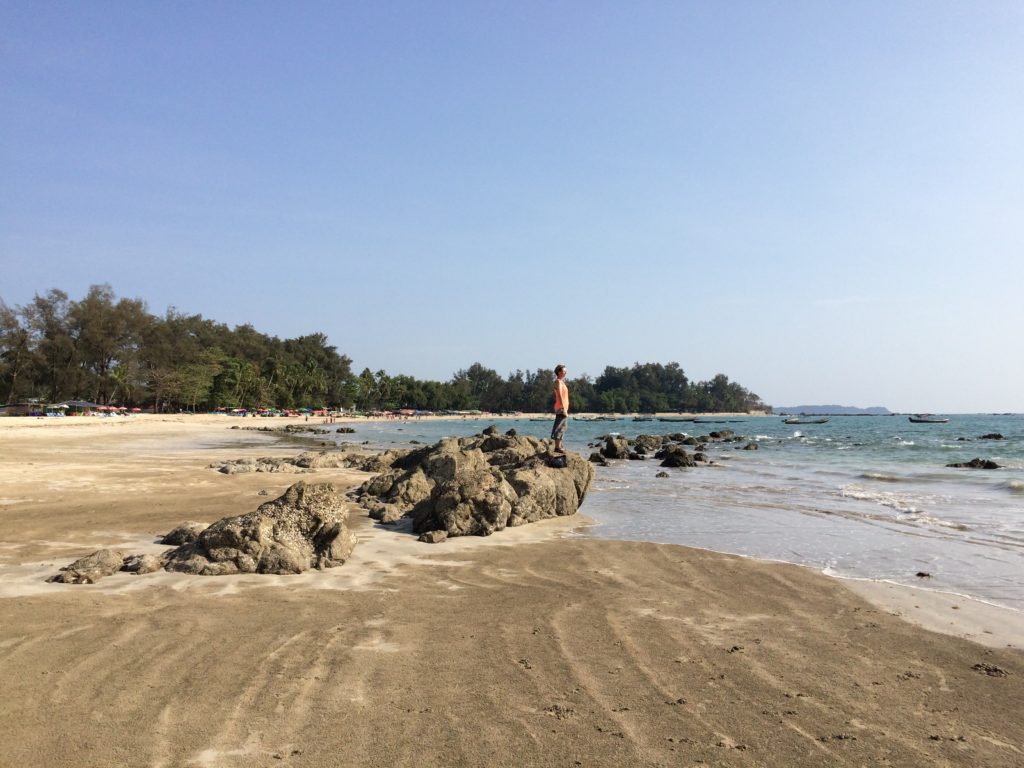
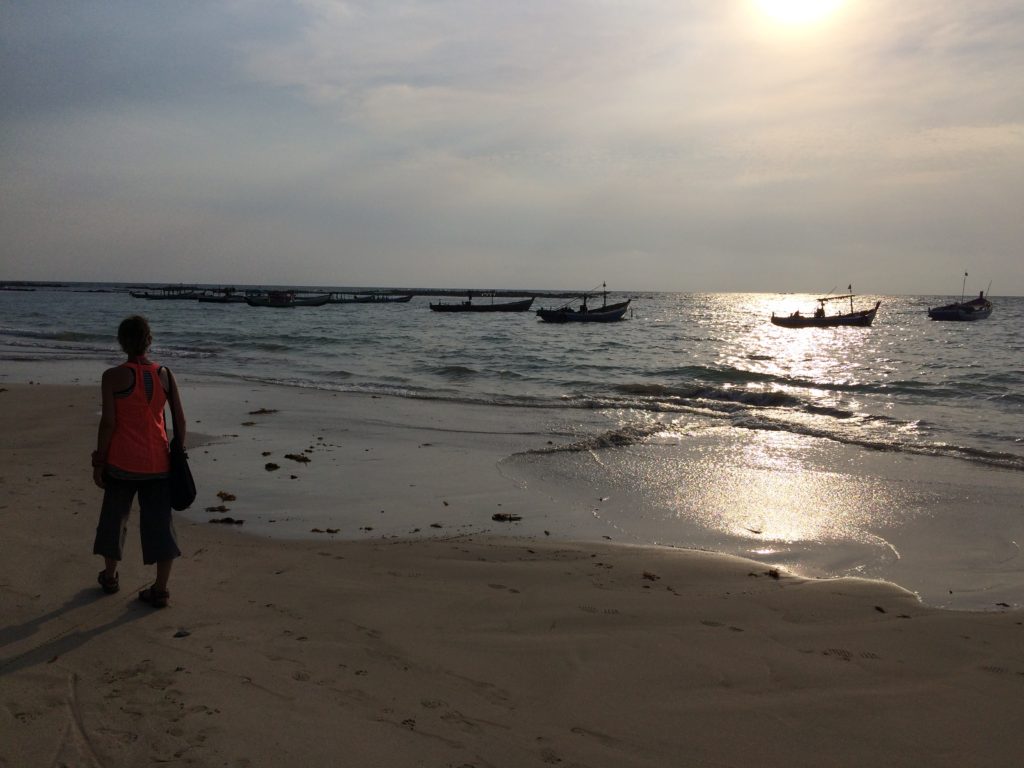 The pristine expanse of white sand, just a stone’s throw from our guesthouse was enjoyed by both locals and tourists alike. Happily it was quiet whilst we were there in March and it wasn’t unusual to explore large areas with only a few, if any, others in sight. Best described as a beach of two halves, the southern stretch, lined with local cafe shacks and vibrant stalls, was brimming with energy and colour. This was were the locals hung out and was the part of the beach we gravitated to. The northern stretch was equally as pretty, but being fringed by small resorts it had a more touristy feel and so lacked some of the charm of its next door neighbour. Beach-wise there was something for everyone here, all of it clean and all of it beautiful – a lovely flavour of Myanmar by the sea.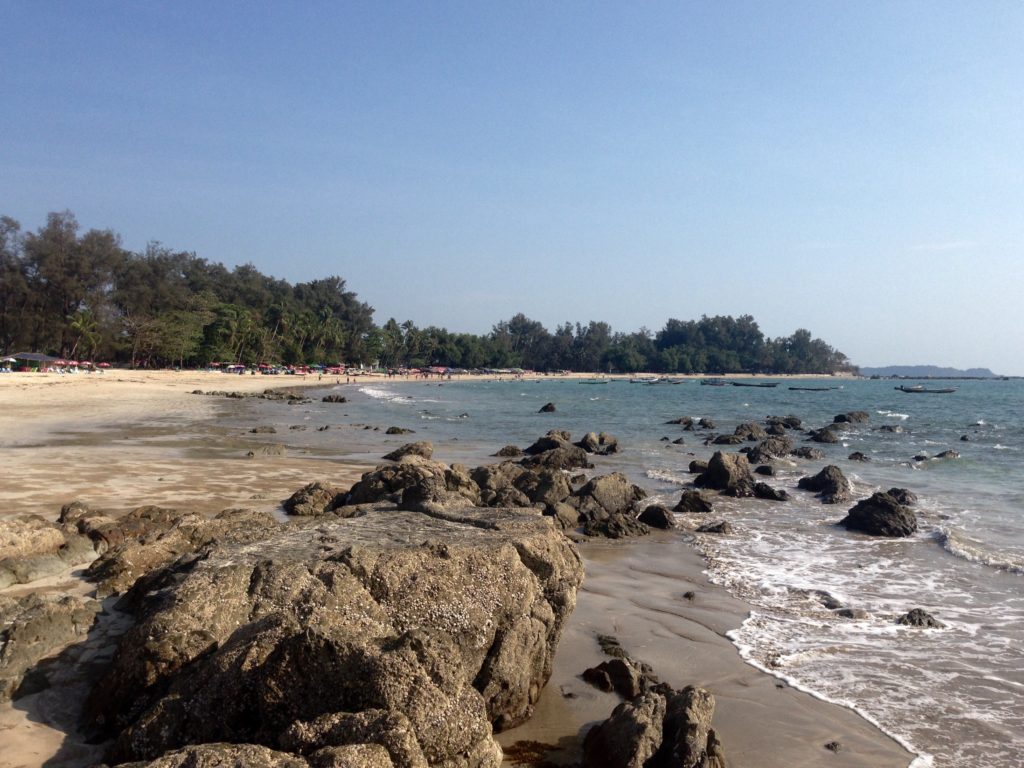
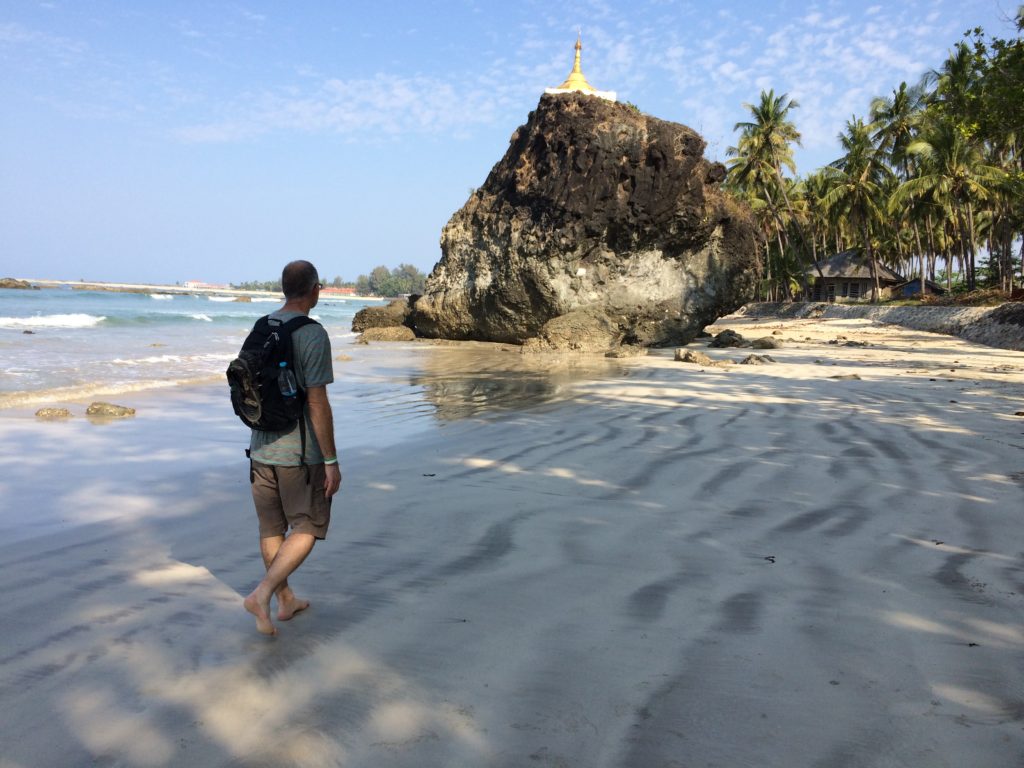
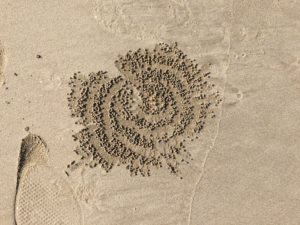
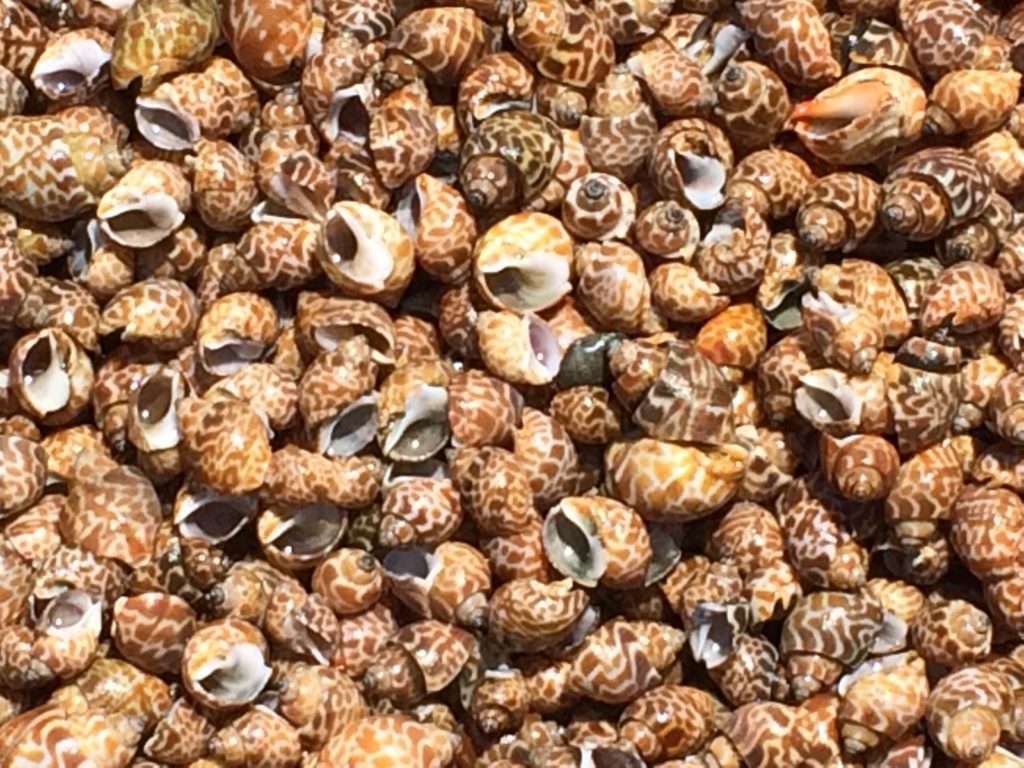

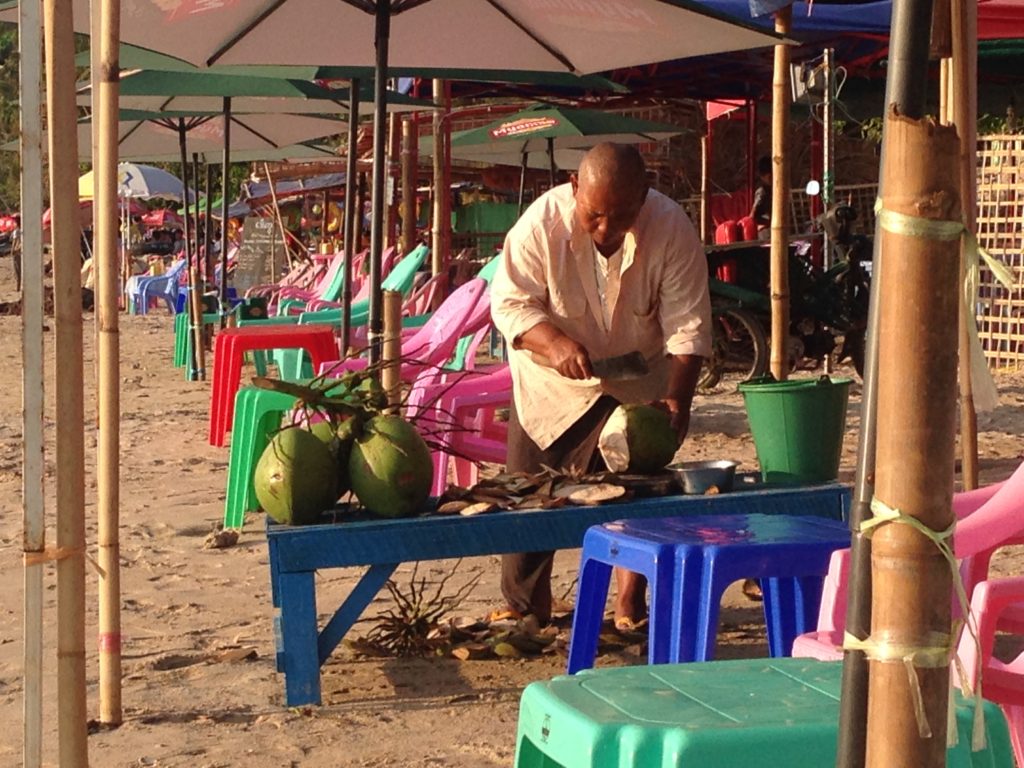
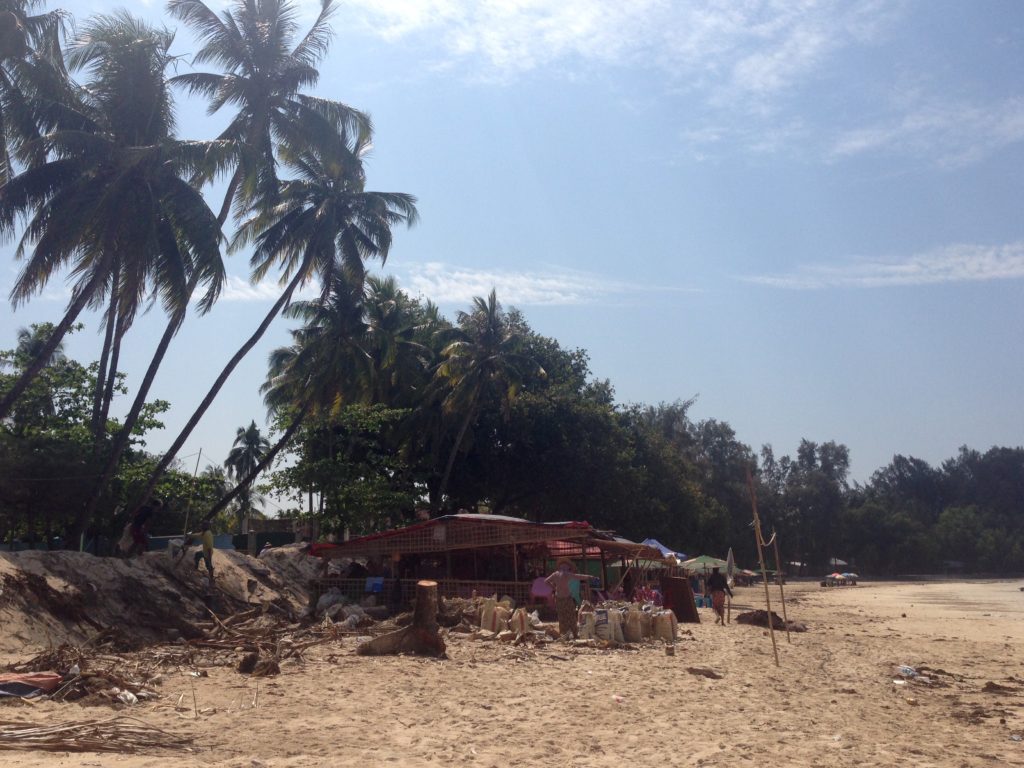
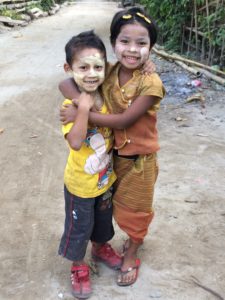
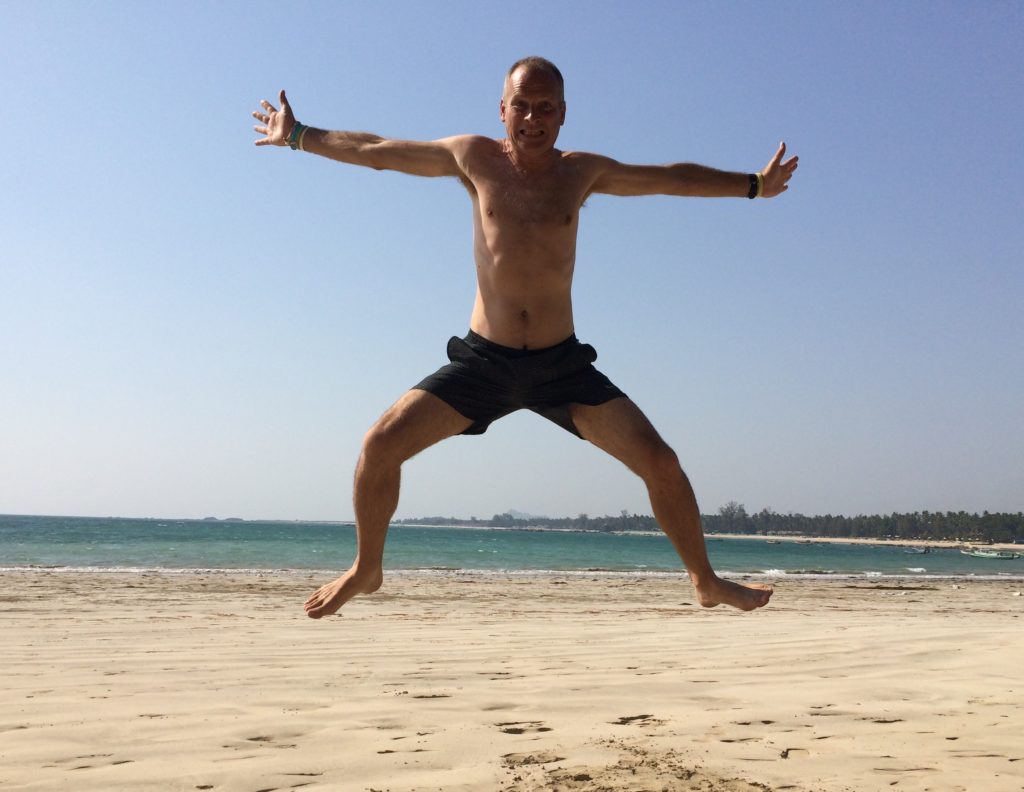
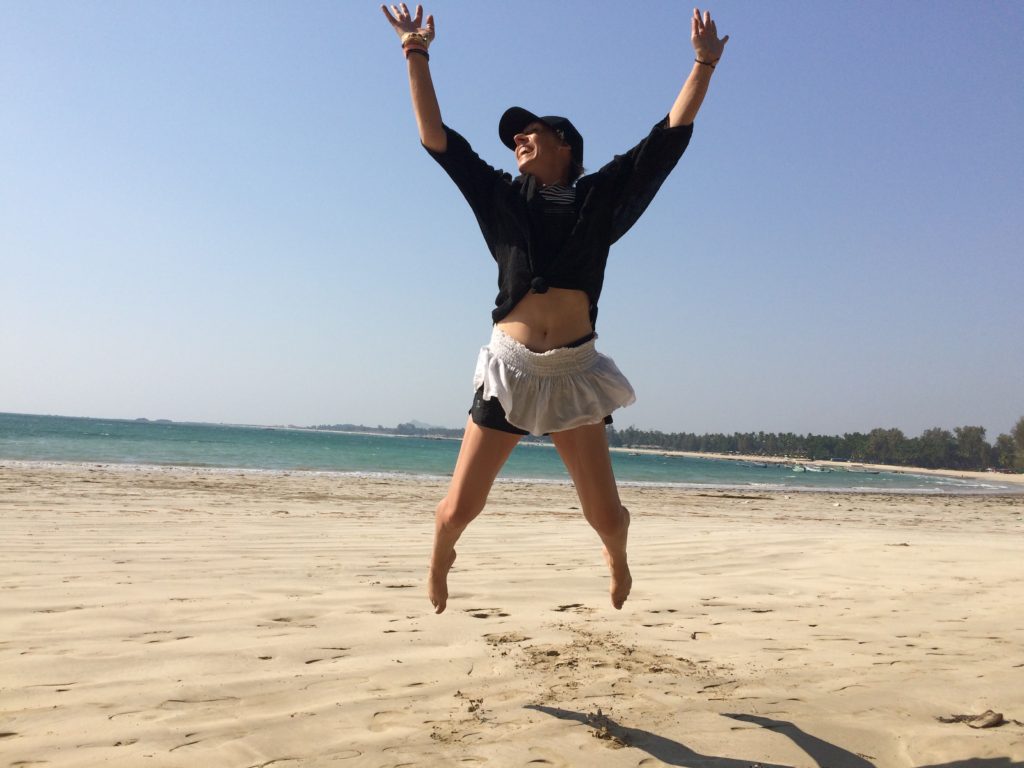
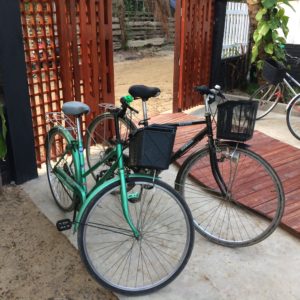
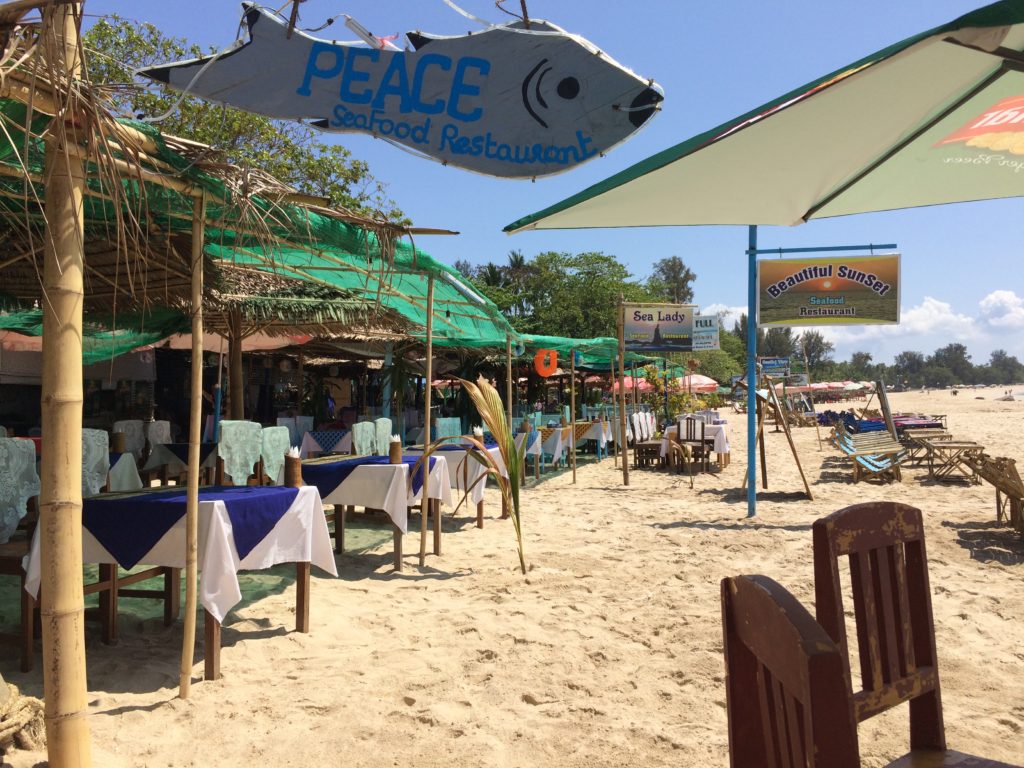
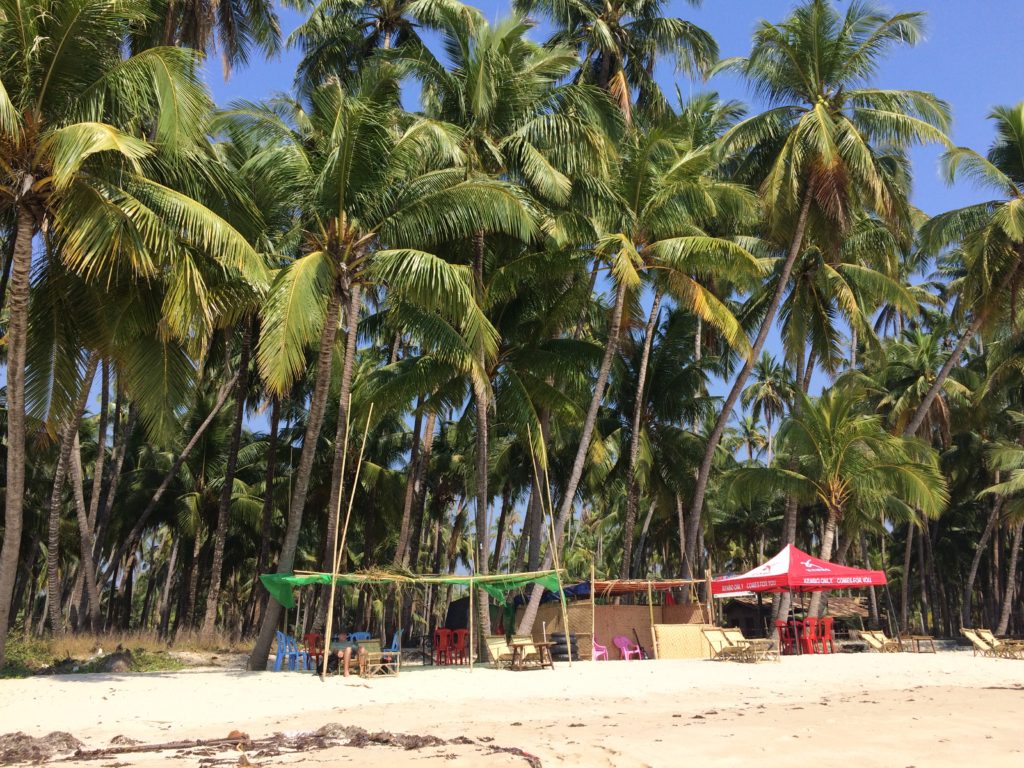
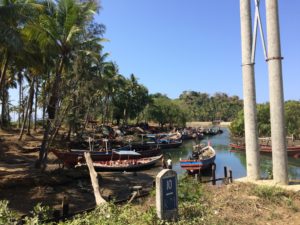
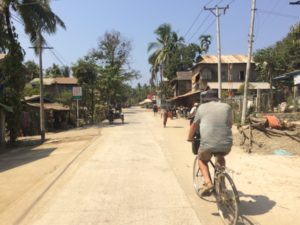
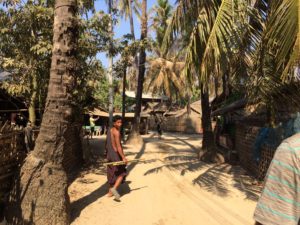
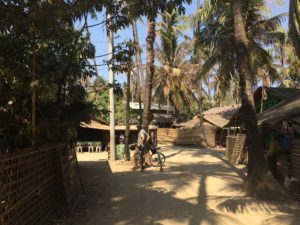
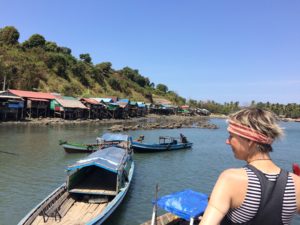
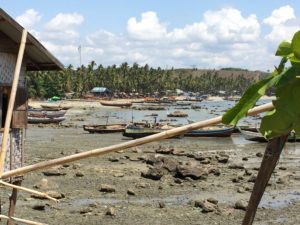
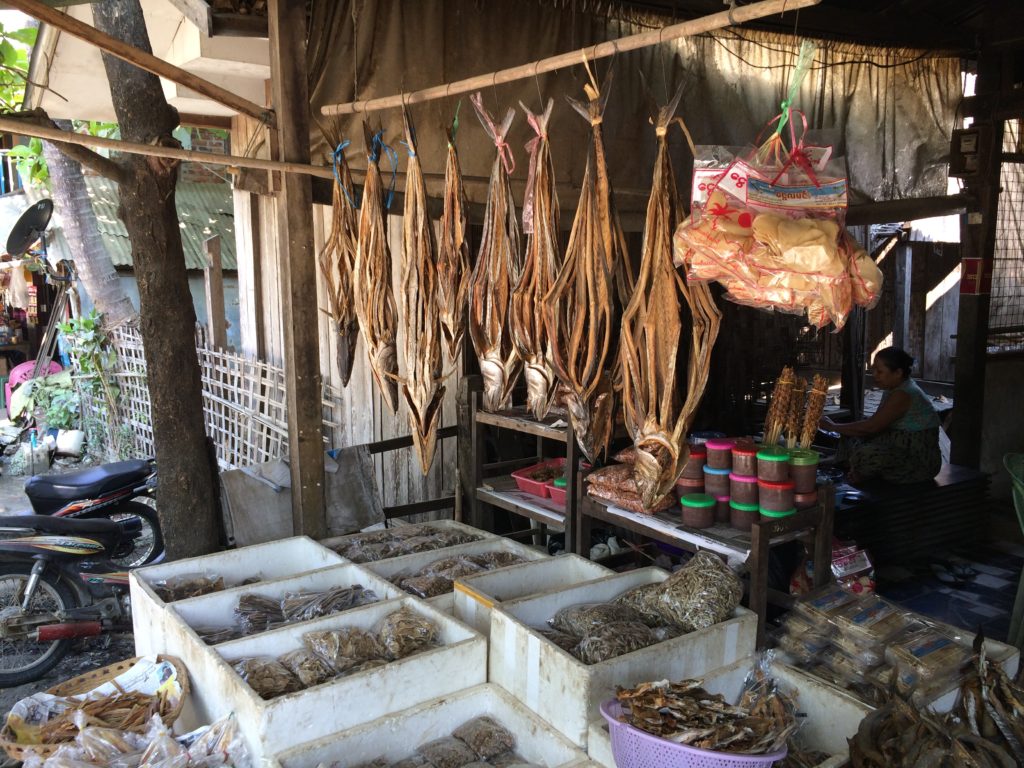
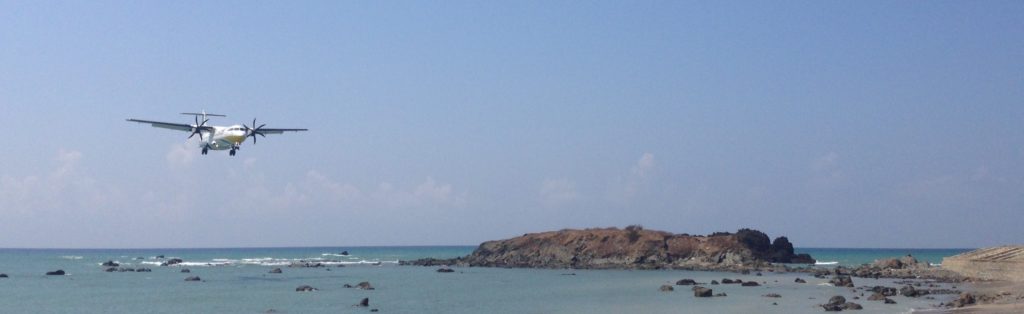
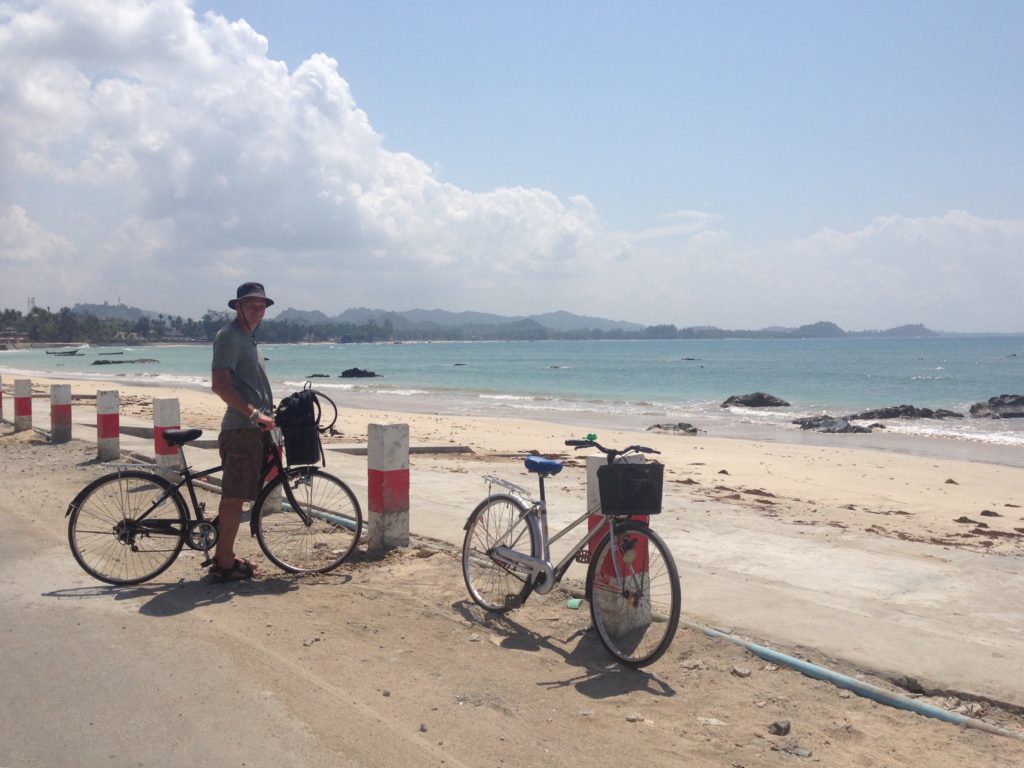
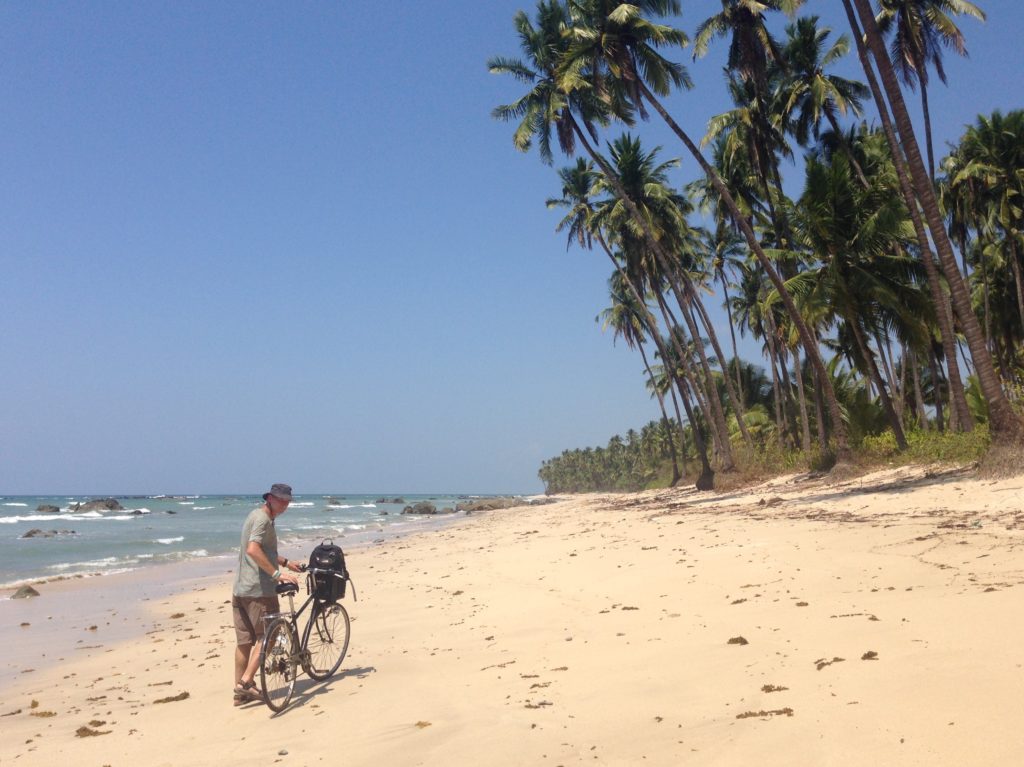
 To the North we found our favourite spot and enjoyed a great day of exploring the area. We cycled past the little airport next to the coast road where planes come in to land and take off directly overhead – we stopped a while to gongoozle before heading on. A little further we took a left down a dirt road before picking our way along a vague track headed to the beach. Hard to ride on the soft sand we dismounted and pushed our bikes along the most perfect, deserted spot imaginable. The beach stretched for miles ahead so we took the opportunity of refreshments at a posh resort for an overpriced but much appreciated drink before a quick dip and some body surfing in the lively sea. We dried in an instant whilst pushing our bikes onwards where our tenacity to continue was rewarded with the most unbelievably picturesque and secluded beach cafe we’ve ever come across. We were accompanied by one other couple who also enthused about the beauty and tranquility of the spot – we all promised to keep its whereabouts under our hats! We ate, we swam, I sketched, Steve read, we played cards. This utopian spot was nothing short of paradise. We could have stayed for so much longer, but with a longish ride to our guesthouse ahead of us and the day slipping away we headed back. It had been a stunning day in Myanmar.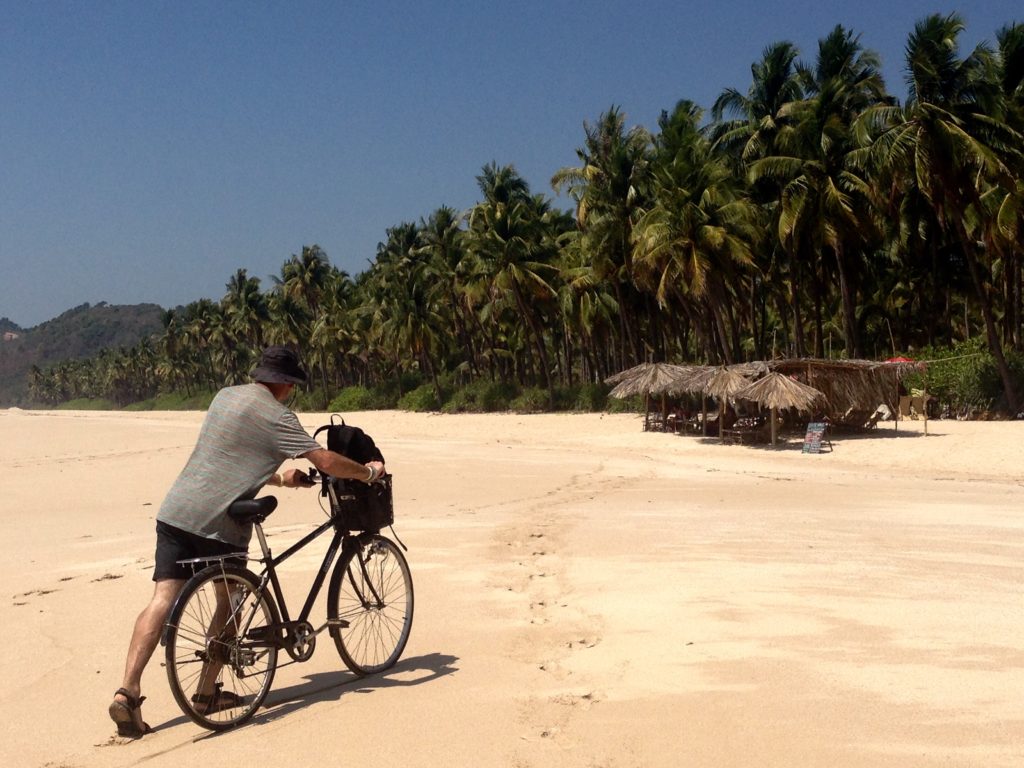
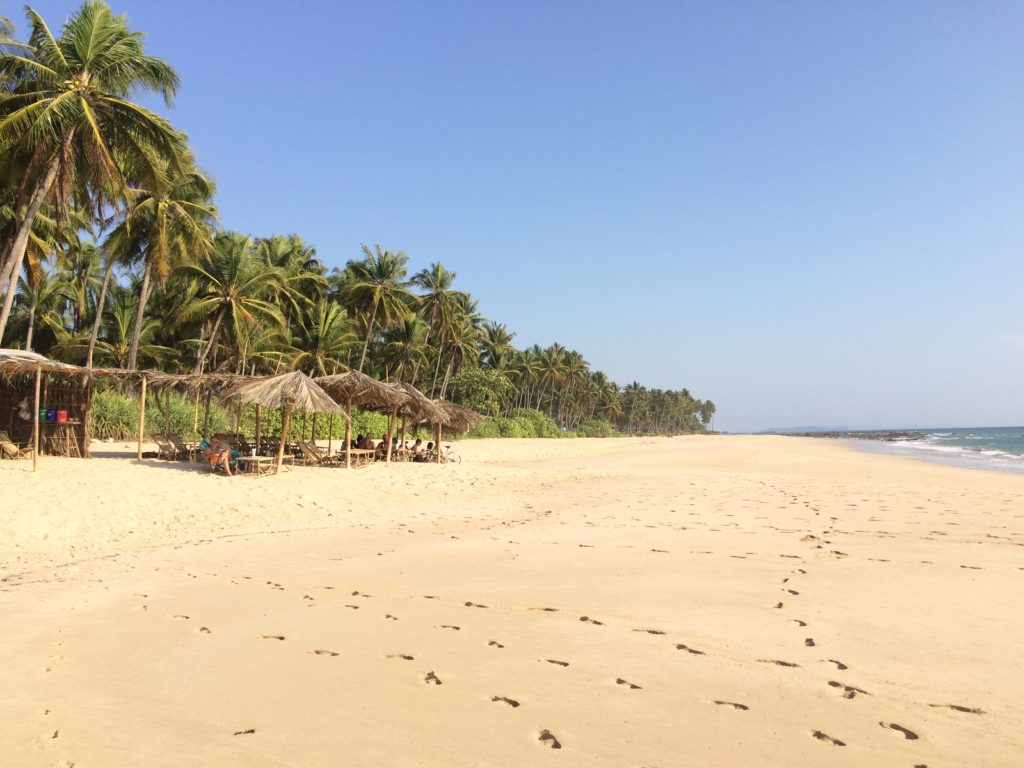
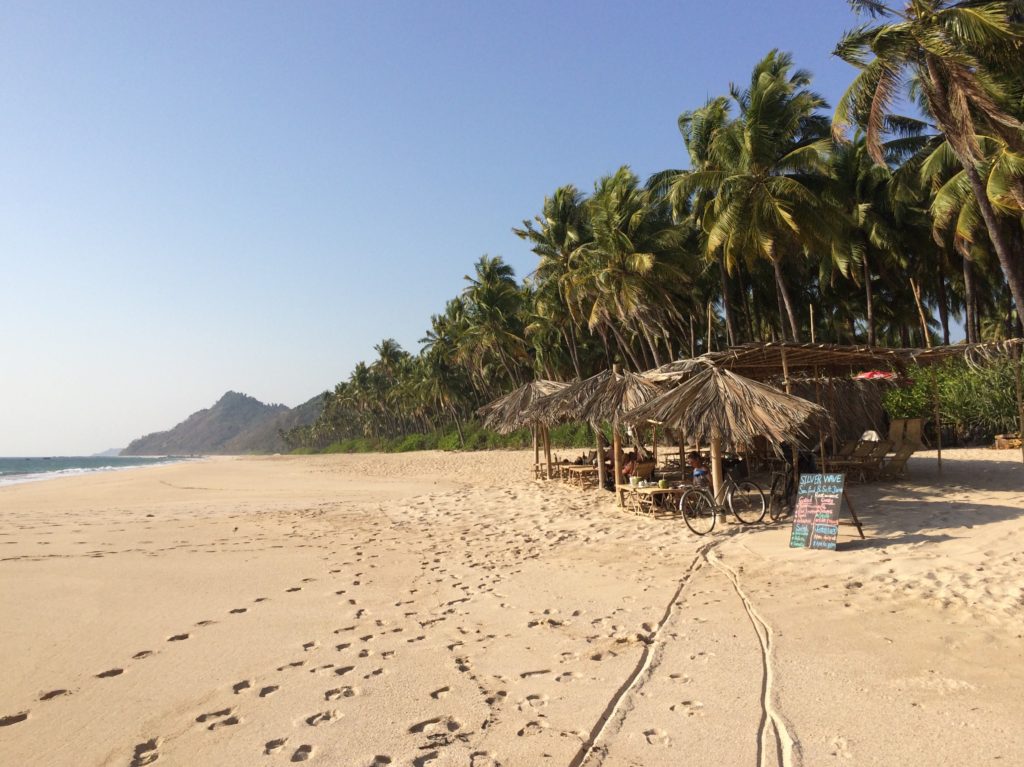
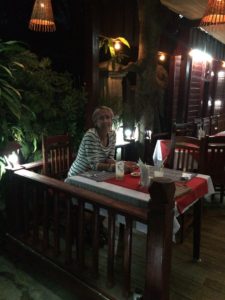 Our intended 2 or 3 days in Ngapali beach had grown into 7 days of pure joy, it had been everything we’d hoped for and so much more besides.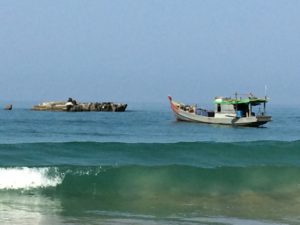
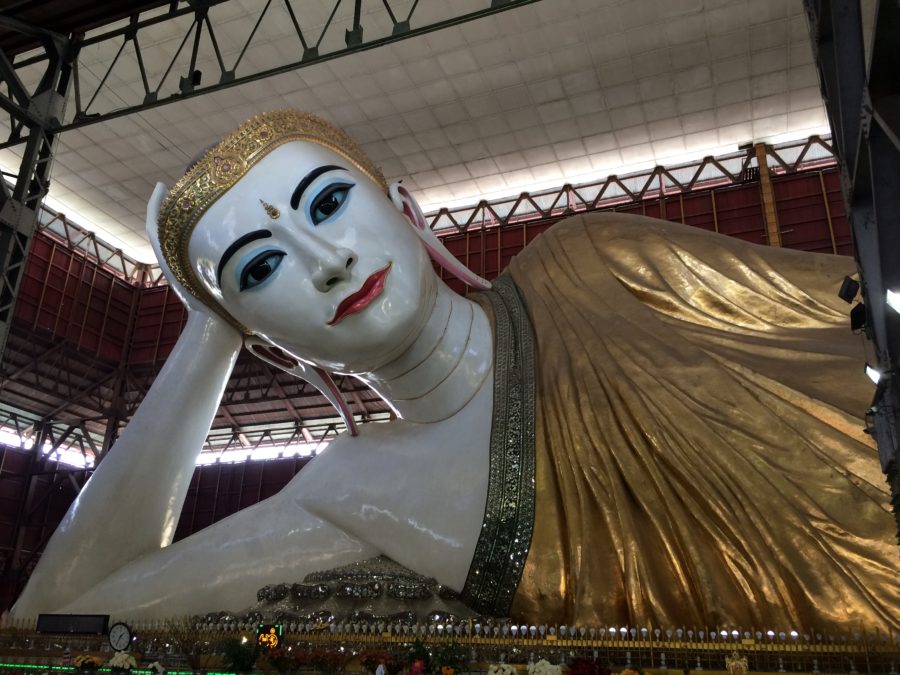
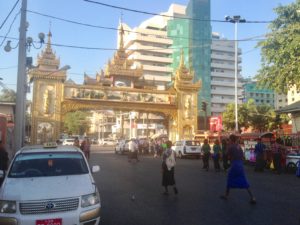
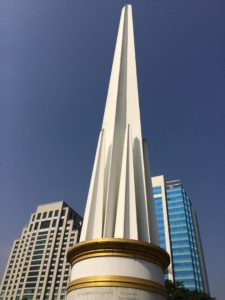

 Following a great nights sleep in a very comfy bed, we enjoyed our simple breakfast of eggs and coffee before downing our (Malarone) malaria pills which, after much consideration, we’d decided to take. Heading to a high risk Malarial area next we thought better safe than sorry – if we suffered adverse reactions from the medication we’d resort to plan B, which was not to take them! We met Aung Aung our friendly taxi driver at the agreed time for a whistle stop tour of Yangon.